Learning European Cuisine: A Delicious Journey Through Hands-On Cooking
Learning European Cuisine: A Delicious Journey Through Hands-On Cooking
Hey there, fellow food lover! Have you ever dreamed of whipping up a perfect Parisian croissant, a hearty Italian ragu, or a delicate Spanish paella? I know I have, and for years, the thought of tackling these iconic European dishes felt like climbing Mount Everest. But then I discovered the magic of hands-on culinary experiences, and my kitchen transformed from a place of occasional cooking into a vibrant playground of flavors and techniques.
Why Hands-On Cooking Experiences Changed Everything For Me
For so long, I relied on cookbooks. I'd dutifully follow instructions, but something was always missing. The results were… okay. Edible, sure, but they lacked the soul, the depth, the "je ne sais quoi" that made the restaurant versions so captivating. It wasn't until I immersed myself in hands-on cooking classes that I truly understood the nuances of European cuisine.
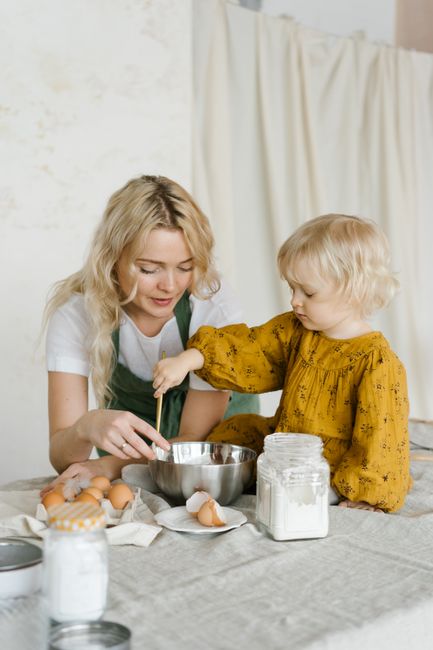
Think about it. Reading a recipe is like reading a map. It tells you where to go, but it doesn't show you the terrain, the smells, the sounds, the feeling of the sun on your skin. A hands-on class, on the other hand, is like actually being there. You're not just reading about how to knead dough; you're feeling the texture, learning the right pressure, seeing how the dough responds to your touch. You're not just reading about how to sauté onions; you're smelling the aroma as they caramelize, hearing the sizzle in the pan, and seeing the color change before your eyes.
These sensory experiences are crucial for developing intuition in the kitchen. You start to understand why certain steps are important, not just that they are important. You learn to trust your senses and make adjustments along the way. This is the kind of knowledge that sticks with you long after the class is over.
My First Foray: Italian Pasta Perfection
My first hands-on culinary adventure was an Italian pasta-making class. Before, I'd always bought dried pasta from the store, thinking it was good enough. Boy, was I wrong! The moment I touched that silky smooth dough, made from just flour and eggs, I knew I was in for something special.
Our instructor, a lovely Italian woman named Maria, guided us through the process. She showed us how to create a well in the flour, how to slowly incorporate the eggs, and how to knead the dough until it was perfectly elastic. It was hard work, I won't lie, but the feeling of accomplishment when I held that ball of dough in my hands was incredible. It felt like I had created something truly special, something that connected me to generations of Italian cooks.
We then learned how to use a pasta machine to create different shapes: fettuccine, tagliatelle, and even ravioli. Maria taught us the secrets to making a simple but delicious tomato sauce, using fresh herbs and ripe tomatoes. The entire experience was a revelation. The taste of that fresh pasta, cooked al dente and tossed with the fragrant sauce, was unlike anything I had ever experienced. I was hooked!
Exploring French Patisserie: A Sweet Challenge

Emboldened by my pasta-making success, I decided to tackle French patisserie. Let me tell you, this was a whole different ballgame! While Italian cuisine felt warm and approachable, French pastry felt precise and demanding. But I was determined to conquer the art of croissants and macarons.
The croissant class was particularly challenging. It involved a lot of waiting, chilling, and laminating – repeatedly folding butter into the dough to create those beautiful layers. I remember feeling frustrated at times, especially when the butter started to melt and leak out of the dough. But our instructor, a patient and knowledgeable pastry chef named Pierre, kept encouraging us. He emphasized the importance of precision and attention to detail. He showed us how to handle the dough gently, how to shape the croissants perfectly, and how to bake them to a golden brown perfection.
And you know what? It worked! The croissants that came out of the oven were flaky, buttery, and utterly divine. The sense of pride I felt was immense. I had conquered the croissant! And I learned a valuable lesson about patience and perseverance in the kitchen.
Tapas Time: A Taste of Spain

My culinary journey continued with a tapas-making class, which was a delightful change of pace. Spanish cuisine, with its vibrant flavors and emphasis on sharing, felt like a party in my mouth. We learned to make a variety of classic tapas dishes, including:
- Patatas Bravas: Crispy fried potatoes with a spicy tomato sauce and aioli.
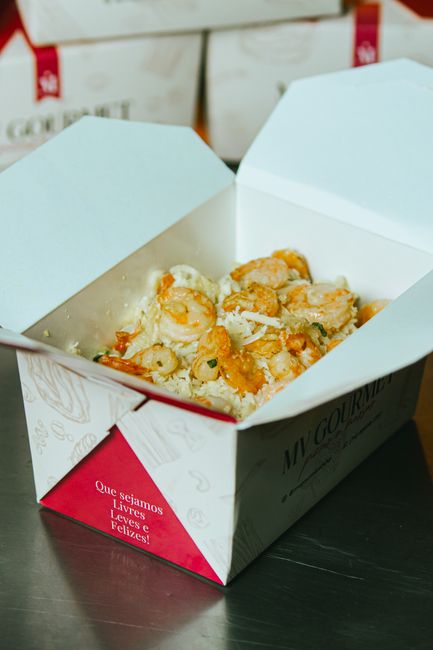
- Gambas al Ajillo: Garlic shrimp sizzled in olive oil with a touch of chili.
- Tortilla Española: A thick potato and onion omelet, perfect for sharing.
- Pan con Tomate: Toasted bread rubbed with garlic and tomato, drizzled with olive oil.
The class was fun and interactive. We learned about the importance of using high-quality ingredients, such as Spanish olive oil and saffron. We also learned about the cultural significance of tapas, which are meant to be enjoyed with friends and family. It was a reminder that cooking is not just about the food; it's about the experience and the connection it creates.
Benefits of Hands-On Culinary Experiences: More Than Just Delicious Food

While the delicious food is undoubtedly a major draw, hands-on cooking experiences offer a wealth of other benefits:
- Improved Cooking Skills: You'll learn essential techniques, such as knife skills, sauce making, and baking methods, that you can apply to all your cooking.
- Increased Confidence: Mastering new dishes and techniques will boost your confidence in the kitchen, making you more willing to experiment and try new things.
- Deeper Understanding of Ingredients: You'll learn about the origin, flavor profiles, and best uses of different ingredients, allowing you to create more flavorful and balanced dishes.
- Cultural Immersion: You'll gain insights into the history, traditions, and cultural significance of different cuisines.
- Stress Relief: Cooking can be a therapeutic and relaxing activity. Immersing yourself in the process can help you unwind and de-stress.
- Social Connection: Cooking classes are a great way to meet new people who share your passion for food.
Choosing the Right Cooking Experience For You
With so many options available, choosing the right cooking experience can feel overwhelming. Here are a few things to consider:
- Your Interests: What cuisines are you most interested in learning? Do you prefer savory or sweet dishes? Choose a class that aligns with your culinary passions.
- Your Skill Level: Are you a beginner or an experienced cook? Look for classes that are appropriate for your skill level. Some classes are designed for beginners, while others are more advanced.
- The Instructor: Research the instructor's background and experience. Look for someone who is knowledgeable, passionate, and patient.
- The Class Size: Smaller classes typically offer more personalized attention.
- The Location and Cost: Consider the location and cost of the class. Choose a class that fits your budget and is conveniently located.
Finding Hands-On Culinary Experiences Near You (and Abroad!)
The good news is that hands-on cooking experiences are more accessible than ever. Here are a few places to find them:
- Local Cooking Schools: Many cities have dedicated cooking schools that offer a variety of classes and workshops.
- Community Centers: Check with your local community center or recreation department. They often offer affordable cooking classes.
- Restaurants: Some restaurants offer cooking classes as a way to showcase their cuisine.
- Online Platforms: Websites like Airbnb Experiences and CourseHorse offer a wide range of cooking classes, both in-person and online.
- Travel Agencies: Many travel agencies offer culinary tours and experiences that include hands-on cooking classes.
Don't be afraid to venture beyond your local area! A culinary trip to Italy, France, or Spain can be an incredible way to immerse yourself in the culture and learn authentic cooking techniques from local chefs. I dream of taking a pasta-making class in Bologna, a croissant-baking workshop in Paris, and a paella-cooking demonstration in Valencia. One day, I will make those dreams a reality!
My Top Tips for Making the Most of Your Culinary Class

To ensure you have a truly enriching and enjoyable experience, keep these tips in mind:
- Come Prepared: Read the class description carefully and make sure you understand what you'll be learning. Wear comfortable clothes and shoes.
- Be Open to Learning: Approach the class with an open mind and a willingness to learn. Don't be afraid to ask questions.
- Participate Actively: Get involved in the cooking process. Don't just stand back and watch. Ask if you can help with tasks like chopping vegetables or stirring sauces.
- Take Notes: Bring a notebook and pen and take notes on the techniques and recipes you learn.
- Taste Everything: Don't be afraid to taste the ingredients and dishes as you go. This will help you develop your palate and understand the flavors of the cuisine.
- Don't Be Afraid to Make Mistakes: Everyone makes mistakes in the kitchen. Don't get discouraged if something doesn't turn out perfectly. Learn from your mistakes and try again.
- Have Fun! Cooking should be a fun and enjoyable experience. Relax, laugh, and savor the moment.
Bringing the European Kitchen Home

The beauty of hands-on cooking experiences is that they empower you to bring the flavors of Europe into your own kitchen. After each class, I felt inspired to experiment with new recipes and techniques. I started hosting dinner parties where I showcased my newfound skills. My friends and family were amazed by the quality of the food I was producing.
And it wasn't just about the food. It was about the confidence I had gained in the kitchen, the knowledge I had acquired about different cuisines, and the joy I felt in sharing my creations with others. Learning to cook European cuisine through hands-on experiences has been one of the most rewarding journeys of my life. I encourage you to embark on your own culinary adventure. You might be surprised at what you discover, not just about food, but about yourself.
So, what are you waiting for? Grab your apron, find a cooking class, and get ready to explore the delicious world of European cuisine! Bon appétit! Buon appetito! ¡Buen provecho!
Post a Comment