Oslo: Fjords, Vikings, and Modern Marvels – A Norwegian Adventure
Oslo: Fjords, Vikings, and Modern Marvels – A Norwegian Adventure
Okay, so you're thinking about Oslo, huh? Maybe those breathtaking fjord pictures caught your eye, or perhaps you're fascinated by Viking history. Or maybe, just maybe, you're craving a dose of Scandinavian cool. Well, get ready, because Oslo is a city that delivers on all fronts! I've been lucky enough to explore this corner of Norway a few times, and each visit leaves me wanting more. Let me share some of my favorite experiences and tips for making the most of your own Oslo adventure, focusing on those iconic fjords and the captivating Viking past.
Embracing Oslo's Fjord Beauty
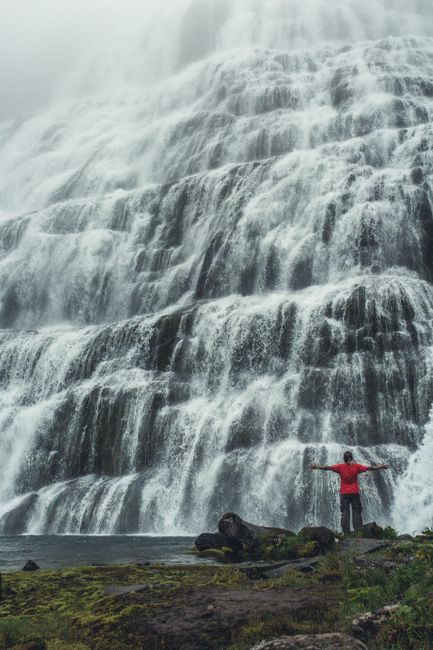
Let's start with the showstopper: the Oslofjord. It's more than just a body of water; it's the city's soul. Seriously, you can't visit Oslo without experiencing its magic. There are so many ways to do it, but here are a few of my go-to options:
- Fjord Cruises: Without a doubt, this is the classic Oslofjord experience. You can choose from various cruises, ranging from short two-hour tours to day-long excursions. I recommend opting for one that includes sailing through the narrow sounds and past charming summer houses dotted along the islands. Pack a windproof jacket, even in summer, as it can get breezy out on the water. Look for cruises that offer commentary about the fjord's history and ecology – it adds so much depth to the experience. Some even have onboard dining, so you can enjoy a delicious seafood lunch with stunning views.
- Island Hopping: The Oslofjord is dotted with islands, each with its unique charm. Public ferries make it easy to hop between them. Hovedøya is a popular choice, with its medieval monastery ruins and lovely walking trails. Gressholmen is known for its beaches and nature reserve. Langøyene is perfect for camping and swimming. Pack a picnic, grab a ferry pass, and spend a day exploring! I've discovered some seriously stunning, secluded spots this way.
- Kayaking or Canoeing: For a more active and immersive experience, rent a kayak or canoe. Several rental places are located along the harbor. Paddling through the calm waters of the fjord, surrounded by the islands and the city skyline, is an unforgettable experience. Just be aware of the boat traffic and weather conditions. It's always a good idea to check the forecast and wear appropriate safety gear. I once went out in a kayak when I thought the weather was fine, and ended up battling a sudden downpour – not my finest moment!
- Vippa Oslo: While not directly on the fjord in the sense of being a cruise, Vippa is a fantastic food hall situated right on the waterfront. It's built on a pier that extends into the fjord and offers amazing views. You can grab delicious street food from various vendors (think Vietnamese pho, Moroccan tagine, and Norwegian waffles) and enjoy it while watching the boats go by. It's a great spot for a relaxed evening with friends. Plus, it's committed to sustainability, which is a big bonus in my book.
Don't just stick to the main harbor area. Explore the smaller inlets and bays. These hidden gems often offer a more peaceful and authentic experience. The air is cleaner, the views are just as spectacular, and you might even spot some local wildlife. I've seen seals basking on the rocks and all sorts of interesting seabirds.
Delving into Oslo's Viking History

Okay, time to unleash your inner Viking! Oslo has a rich and fascinating Viking history, and there are several places where you can learn more about these legendary seafarers:
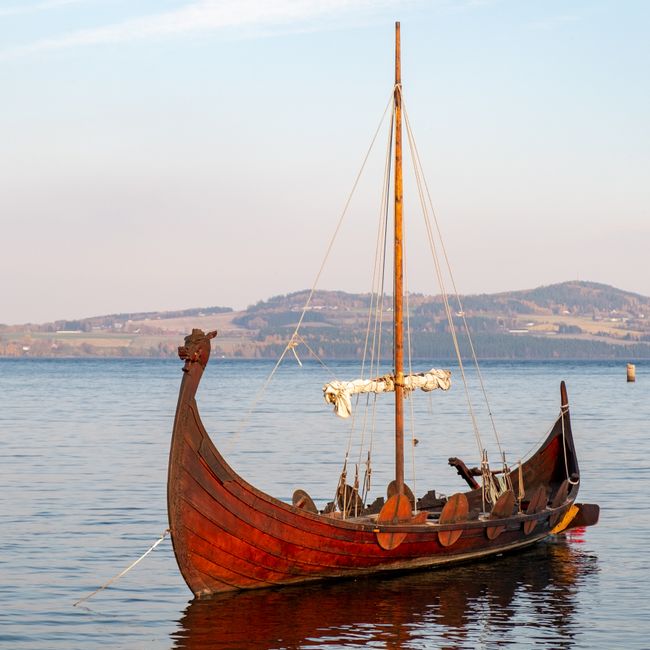
- The Viking Ship Museum: This is, without a doubt, the must-see attraction for anyone interested in Viking history. It houses three remarkably well-preserved Viking ships – the Oseberg, Gokstad, and Tune ships – which were used as burial vessels for high-ranking Vikings. Seeing these ships up close is absolutely breathtaking. The craftsmanship is incredible, and it's amazing to think that they were built over a thousand years ago. The museum also displays artifacts found in the burial mounds, including textiles, tools, and jewelry. Prepare to be amazed.
Tip: Arrive early in the morning or later in the afternoon to avoid the biggest crowds. - The Historical Museum's Viking Age Collection: While the Viking Ship Museum focuses on the ships themselves, the Historical Museum provides a broader overview of Viking society, culture, and religion. You'll find a vast collection of artifacts, including weapons, tools, jewelry, and religious objects. The museum also has excellent exhibits on Viking trade, exploration, and warfare. I found the exhibits on Viking religion particularly fascinating – it's a complex and often misunderstood aspect of Viking culture.
- The Akershus Fortress: This medieval fortress, which overlooks the Oslofjord, has played a significant role in Oslo's history, including during the Viking Age. While the current fortress dates back to the 13th century, the site has been fortified since the Viking era. Take a guided tour to learn about the fortress's history and explore its ramparts, dungeons, and chapels. The views from the fortress are also stunning.
- Explore Viking-Related Archaeological Sites (If You Can!): While not always easily accessible to the casual tourist, keep an eye out for opportunities to visit Viking-related archaeological sites around Oslo. Sometimes, local museums or historical societies offer guided tours or events that allow you to explore these sites. You might be able to see the remains of Viking settlements, burial mounds, or even runestones. Keep an eye on local event listings and websites.
Don't just focus on the big museums. Read up on Norse mythology and Viking sagas. This will give you a deeper understanding of the Viking worldview and their beliefs. There are tons of great books and documentaries available, and even some excellent podcasts. Knowing the stories behind the artifacts makes the museum experience so much richer.
Beyond the Fjords and Vikings: Modern Oslo
While the fjords and Viking history are undoubtedly highlights, Oslo is also a modern and vibrant city with a lot to offer. Here are a few other things you should check out:
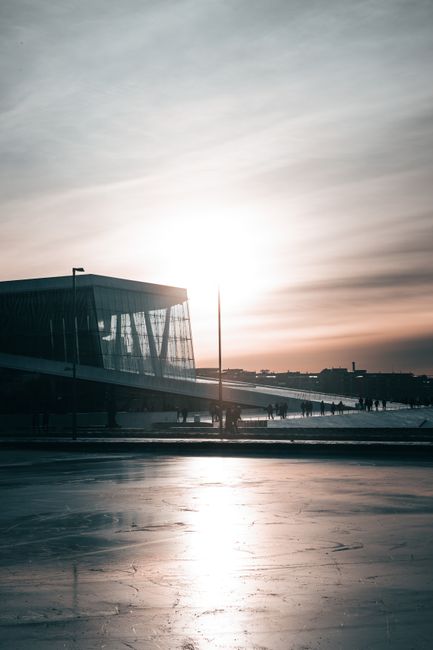
- The Opera House: This architectural masterpiece, which resembles a glacier rising from the fjord, is a must-see. Take a tour of the opera house, or even better, attend a performance. You can also walk on the roof of the opera house for free and enjoy panoramic views of the city. I did this at sunset once and it was truly magical.
- The Munch Museum: Home to Edvard Munch's iconic painting "The Scream," the Munch Museum is a must-visit for art lovers. The museum has a vast collection of Munch's works, including paintings, prints, drawings, and sculptures. Even if you're not a huge art fan, seeing "The Scream" in person is a powerful experience.
- Aker Brygge: This waterfront area is a popular spot for shopping, dining, and people-watching. It's a great place to grab a bite to eat, enjoy a drink, or simply stroll along the harbor. Aker Brygge is also home to several museums and art galleries.
- Vigeland Sculpture Park: This unique park features over 200 sculptures by Gustav Vigeland, all depicting the human form. It's a fascinating and often thought-provoking place to explore. The Monolith, a towering sculpture made from a single block of granite, is the park's centerpiece.
- Explore Grünerløkka: This trendy neighborhood is known for its independent shops, cafes, and restaurants. It's a great place to wander around, browse the boutiques, and soak up the local atmosphere. Grünerløkka also has a vibrant nightlife scene.
Planning Your Oslo Adventure: Some Practical Tips

Okay, you're practically packed and ready to go, right? Before you head to the land of fjords and Vikings, here are a few practical tips to help you plan your Oslo adventure:
- Best Time to Visit: Summer (June-August) is the most popular time to visit Oslo, with long daylight hours and warm temperatures. However, it's also the busiest and most expensive time. Spring (April-May) and autumn (September-October) can be good alternatives, with fewer crowds and pleasant weather. Winter (November-March) can be cold and dark, but it's also a magical time to visit, with opportunities for winter sports and seeing the Northern Lights (although Oslo isn't the best place for them; you'd need to travel further north).
- Getting Around: Oslo has an excellent public transportation system, including buses, trams, subways, and ferries. Consider purchasing an Oslo Pass, which provides free access to public transportation and many museums and attractions. Walking is also a great way to explore the city center.
- Accommodation: Oslo offers a wide range of accommodation options, from budget-friendly hostels to luxury hotels. Consider staying in the city center for easy access to attractions. Alternatively, you could stay in one of the quieter neighborhoods, such as Grünerløkka or Frogner.
- Food and Drink: Oslo can be expensive, but there are ways to save money on food and drink. Consider eating at local cafes and restaurants, which offer more affordable options than touristy establishments. Take advantage of happy hour deals. Try some traditional Norwegian dishes, such as salmon, reindeer stew, and waffles.
- Language: Norwegian is the official language of Norway, but English is widely spoken, especially in Oslo. You won't have any trouble communicating with locals.
- Currency: The currency in Norway is the Norwegian krone (NOK). Credit cards are widely accepted.
- Be Prepared for the Weather: The weather in Oslo can be unpredictable, so be prepared for all types of conditions. Pack layers of clothing, including a waterproof jacket and comfortable shoes.
Remember to embrace the "kos" – the Norwegian concept of coziness and contentment. Take time to relax, enjoy the scenery, and savor the moment. Oslo is a city that rewards those who take the time to appreciate its beauty and charm.
My Personal Oslo Highlights

Before I wrap up, let me share a few of my personal favorite things about Oslo:
- The crisp, clean air: Coming from a busy city, the air in Oslo feels incredibly fresh and invigorating.
- The stunning scenery: The combination of the fjord, the islands, and the surrounding mountains is simply breathtaking.
- The friendly locals: Norwegians are generally very friendly and helpful.
- The thriving cultural scene: Oslo has a vibrant arts and culture scene, with plenty of museums, galleries, theaters, and music venues.
- The sense of history: Walking through the streets of Oslo, you can feel the city's rich and fascinating history.
So, there you have it – my guide to exploring Oslo, its fjords, and its Viking past. I hope this has inspired you to plan your own adventure to this amazing city. You won't regret it!
Post a Comment