Oslo's Fjords & Viking History: A Journey Through Time & Natural Beauty
Oslo's Fjords & Viking History: A Journey Through Time & Natural Beauty
Hey there, travel enthusiast! Ever dreamt of a place where ancient Viking sagas echo through majestic fjords, where modern city life seamlessly blends with breathtaking natural beauty? Well, Oslo, Norway, might just be your dream destination. It was definitely mine, and I'm so excited to share my experiences exploring its stunning fjords and delving into its fascinating Viking history.
Oslo: A Gateway to Norwegian Wonders

Oslo, often called the "Tiger City" (a nickname earned from a poem!), is more than just Norway's capital. It's a vibrant hub of culture, history, and outdoor adventure. It's incredibly walkable, with fantastic public transportation, making it easy to explore its diverse neighborhoods, from the trendy Grünerløkka with its street art and vintage shops to the historic Akershus Fortress with its commanding views of the harbor.
But let's be honest, for many, the allure of Oslo lies in its proximity to the spectacular Oslofjord and the rich Viking heritage woven into the fabric of the city and surrounding regions. Prepare to be mesmerized!
Cruising the Oslofjord: A Feast for the Eyes

My absolute must-do in Oslo was a fjord cruise. There are several options available, ranging from short, leisurely trips to full-day explorations. I opted for a three-hour cruise, and it was worth every single krone! Imagine gliding through calm, emerald-green waters, surrounded by steep, forested hills dotted with charming red cabins. The air is crisp and clean, filled with the scent of pine and the salty tang of the sea.
The Oslofjord isn't a single fjord, but a complex network of inlets, islands, and bays. As you cruise, you'll pass by:
- Picturesque Islands: Hovedøya, Gressholmen, and Langøyene are just a few of the islands scattered throughout the fjord. Many are accessible by ferry and offer hiking trails, beaches, and even medieval ruins.
- Colorful Cabins: These traditional Norwegian cabins, often painted in vibrant reds, yellows, and greens, cling to the rocky shorelines, creating a truly idyllic scene. They're often summer homes for locals, a perfect escape from city life.
- Historic Fortresses: Look out for the Oscarsborg Fortress, strategically located on an island in the Drøbak Sound. It played a crucial role in World War II, delaying the German invasion of Norway.
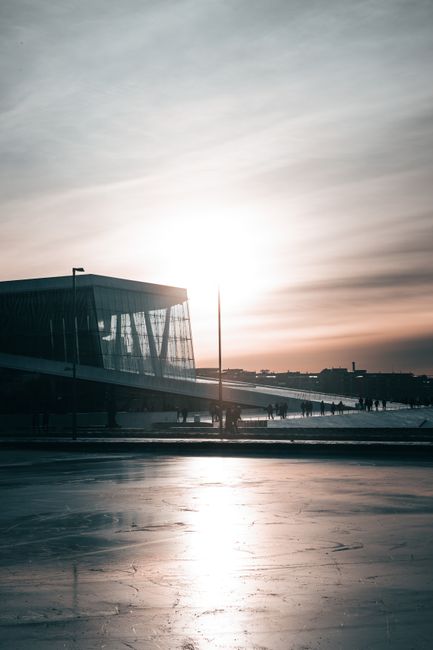
- Modern Architecture: The blend of traditional and modern is stunning. As you cruise back towards Oslo, you'll get a glimpse of the impressive Oslo Opera House, a modern architectural marvel that seems to rise directly from the fjord.
Pro Tip: Dress warmly, even on a sunny day! The wind on the fjord can be quite chilly. And don't forget your camera! You'll want to capture every breathtaking moment.
Unveiling Oslo's Viking Past: Museums and Monuments
Beyond the natural beauty, Oslo is steeped in Viking history. These seafaring warriors and explorers left an indelible mark on the region, and Oslo is home to some incredible museums and sites that bring their story to life. Here are a few of my favorites:
The Viking Ship Museum: A Window into the Viking Age
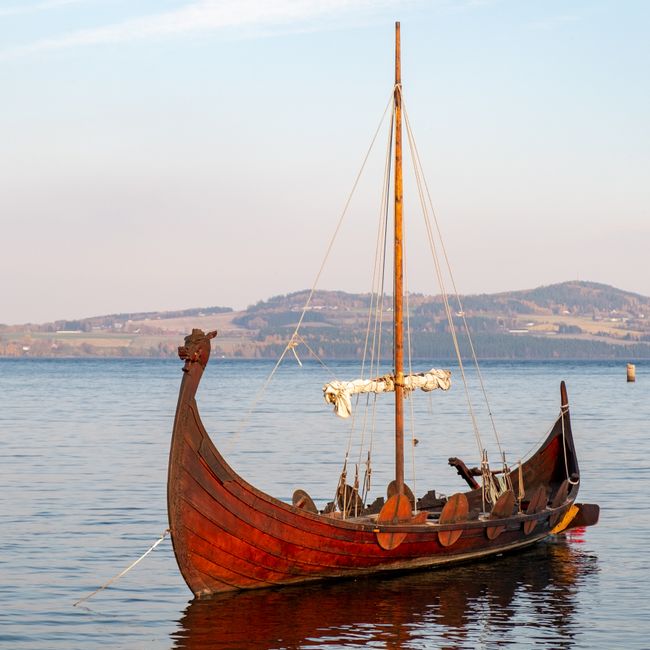
This is arguably the most iconic Viking-related attraction in Oslo. The museum houses three remarkably well-preserved Viking ships – the Gokstad Ship, the Oseberg Ship, and the Tune Ship – dating back to the 9th century. These ships were discovered in burial mounds along the Oslofjord and provide invaluable insights into Viking shipbuilding, seafaring, and burial rituals.
The Oseberg Ship is particularly impressive. It was a burial ship for two high-ranking women and is richly decorated with intricate carvings. The artifacts found within the ship, including textiles, tools, and even a complete horse-drawn carriage, offer a glimpse into the lives and beliefs of the Viking elite.
Walking around these majestic vessels, imagining the Vikings sailing the seas, is truly awe-inspiring. It's a humbling experience that connects you to a powerful and influential period in history.
The Historical Museum: Exploring Norway's Ancient Roots
While not exclusively focused on the Viking Age, the Historical Museum houses an extensive collection of artifacts from prehistoric times through the Middle Ages, including a significant Viking collection. You'll find weapons, jewelry, tools, and everyday objects that shed light on Viking society, trade, and warfare.
One of the highlights is the Gold Room, which displays stunning examples of Viking gold jewelry and other precious artifacts. The craftsmanship is incredible, and it's fascinating to see the intricate designs and symbols that adorned Viking clothing and possessions.
Akershus Fortress: A Medieval Stronghold with Viking Connections
While Akershus Fortress dates back to the late 13th century, its strategic location has roots that stretch back to the Viking Age. The site was likely used as a defensive point even before the fortress was built. The fortress itself offers stunning views of the Oslofjord and played a crucial role in the city's defense for centuries.
You can explore the fortress grounds, visit the Akershus Castle, and learn about the history of Oslo and Norway. It's a great place to wander around, soak in the atmosphere, and imagine what life was like in medieval times. Don't miss the Norwegian Resistance Museum, which tells the story of the Norwegian resistance movement during World War II.
Viking Planet: An Immersive Viking Experience
For a more interactive and modern take on Viking history, check out Viking Planet. This museum uses virtual reality and other technologies to bring the Viking Age to life. You can experience what it was like to sail on a Viking ship, participate in a Viking raid, and explore a Viking village.
It's a fun and engaging way to learn about Viking culture, especially for families with children. While it might not be as historically accurate as the Viking Ship Museum or the Historical Museum, it offers a unique and memorable experience.
Beyond Oslo: Viking Heritage in the Region

If you have more time, I highly recommend venturing outside of Oslo to explore other Viking-related sites in the region. Here are a few ideas:
- Borre Mound Cemetery (Vestfold): Located about an hour and a half south of Oslo, Borre is one of the most important Viking burial sites in Scandinavia. The site contains several large burial mounds, including the grave of a powerful Viking king. The Midgard Viking Centre is also located here, offering exhibits and activities related to Viking history.
- Kaupang Viking Town (Vestfold): Kaupang was an important Viking trading center located near the Oslofjord. Archaeological excavations have revealed evidence of houses, workshops, and a harbor, providing insights into Viking trade and daily life.
Planning Your Oslo Viking & Fjord Adventure
So, you're ready to embark on your own Oslo adventure? Here are a few tips to help you plan your trip:
- Best Time to Visit: Summer (June-August) offers the warmest weather and the longest days, perfect for fjord cruises and outdoor activities. However, it's also the busiest and most expensive time to visit. Spring (April-May) and autumn (September-October) can be good alternatives, with fewer crowds and pleasant weather. Winter (November-March) can be cold and dark, but it offers opportunities for winter sports and the chance to see the Northern Lights.
- Getting Around: Oslo has an excellent public transportation system, including buses, trams, subways, and ferries. Consider purchasing an Oslo Pass, which provides unlimited travel on public transport, free entry to many museums and attractions, and discounts on other activities. Walking is also a great way to explore the city center.
- Accommodation: Oslo offers a wide range of accommodation options, from budget-friendly hostels to luxury hotels. Consider staying in a hotel near the city center or in one of the trendy neighborhoods like Grünerløkka or Frogner.
- Food and Drink: Norwegian cuisine is delicious and diverse. Be sure to try traditional dishes like "brunost" (brown cheese), "fårikål" (mutton stew), and fresh seafood. Oslo also has a vibrant restaurant scene, with options ranging from traditional Norwegian fare to international cuisine. And of course, don't forget to try some Norwegian beer or aquavit!
- Budgeting: Norway is generally an expensive country, so it's important to budget accordingly. Consider purchasing an Oslo Pass to save money on transportation and attractions. Look for affordable accommodation options and try cooking some of your own meals. Take advantage of free activities like hiking, exploring parks, and visiting free museums.
Beyond the History: Embrace the Oslo Vibe

While the Viking history and the fjords are definitely highlights, don't forget to embrace the modern Oslo vibe. The city is known for its:
- Art Scene: Explore the Munch Museum (home to "The Scream"), the National Museum, and the Astrup Fearnley Museum of Modern Art.
- Green Spaces: Wander through Vigeland Sculpture Park, a unique park featuring over 200 sculptures by Gustav Vigeland. Hike in the forests surrounding the city.
- Coffee Culture: Oslo has a thriving coffee scene. Enjoy a cup of coffee at one of the many independent coffee shops.
- Sustainable Living: Oslo is a leader in sustainable living. Explore the city's green initiatives and learn about its commitment to environmental protection.
My Lasting Impressions of Oslo

Oslo truly captivated me. It's a city that seamlessly blends the ancient and the modern, the natural and the urban. From the majestic Viking ships to the stunning fjords, from the vibrant art scene to the commitment to sustainability, Oslo offers something for everyone. It's a place where you can connect with history, immerse yourself in nature, and experience a unique and inspiring culture.
So, if you're looking for an adventure that combines history, nature, and culture, add Oslo to your travel bucket list. You won't be disappointed! I hope my experiences and tips have inspired you to plan your own unforgettable journey to this remarkable corner of the world. Happy travels!
Post a Comment