Scandinavian Food: Simple, Delicious, and Surprisingly Easy to Make at Home!
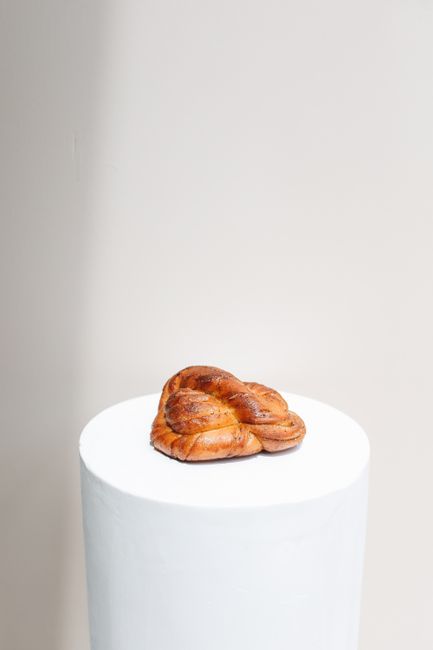
Scandinavian Food: Simple, Delicious, and Surprisingly Easy to Make at Home!
Hey there, fellow food lover! Have you ever found yourself scrolling through gorgeous travel photos of Scandinavia, mesmerized by the breathtaking landscapes and charming cities, and then suddenly thinking, "Wait, what do people eat there?" Well, let me tell you, Scandinavian food is more than just meatballs and pickled herring (although those are pretty great too!). It's a cuisine that celebrates simplicity, freshness, and the natural flavors of the region. And the best part? It's surprisingly easy to bring a little bit of that Nordic magic into your own kitchen.
The Essence of Scandinavian Cuisine: Back to Basics

For me, Scandinavian food is all about embracing the seasons and using what nature provides. Think about the long, harsh winters – it's no wonder preservation techniques like pickling, smoking, and drying are so prevalent. And then, when summer finally arrives, it's a burst of fresh berries, crisp vegetables, and long days perfect for grilling. The overall philosophy is simple: high-quality ingredients, minimal fuss, and letting the natural flavors shine through.
It's also about sustainability and respecting the environment. In Scandinavia, there's a deep connection to the land and sea, and that's reflected in the food. You'll often find dishes featuring locally sourced ingredients, sustainably caught fish, and a focus on reducing waste. It's a cuisine that's both delicious and responsible, and that's something I really appreciate.
Key Ingredients in the Scandinavian Pantry

So, what are the building blocks of Scandinavian deliciousness? Here are a few essentials that you'll find popping up in countless recipes:
- Seafood: From salmon and herring to cod and shrimp, the sea plays a huge role. Smoked salmon is a breakfast staple, while pickled herring is a must-have for any festive occasion.
- Root Vegetables: Think potatoes, carrots, beets, and parsnips. These hearty vegetables are incredibly versatile and can be roasted, mashed, boiled, or used in soups and stews.
- Berries: Lingonberries, blueberries, raspberries, and cloudberries are all incredibly popular. They're used in everything from jams and sauces to desserts and even savory dishes.
- Dairy: Milk, cream, butter, and cheese are all essential. Look for skyr (a thick, Icelandic yogurt) and various types of cheese, from creamy Havarti to tangy Jarlsberg.
- Rye Bread: Dark, dense rye bread is a staple in many Scandinavian countries. It's perfect for sandwiches, open-faced smørrebrød, or simply enjoyed with butter and cheese.
- Dill: This herb is used extensively in Scandinavian cooking, adding a fresh, bright flavor to everything from seafood to salads.
Must-Try Scandinavian Dishes (and How to Make Them!)

Okay, now for the fun part! Let's dive into some classic Scandinavian dishes that you can easily recreate at home. I've included some simplified versions of recipes that I've tried and tweaked over the years, so don't be intimidated!
1. Smørrebrød: Open-Faced Sandwiches of Art
Smørrebrød (pronounced "smur-broth") is basically an open-faced sandwich, but it's so much more than that! It's a work of art, carefully constructed with layers of flavor and texture. The base is typically a slice of dense rye bread, topped with butter and then a variety of ingredients. Here are a few of my favorites:
a. Roast Beef Smørrebrød: Start with a slice of rye bread, spread with butter. Top with thinly sliced roast beef, crispy fried onions, horseradish cream, and a sprig of parsley.
b. Shrimp Smørrebrød: Spread rye bread with mayonnaise. Add a layer of cooked and peeled shrimp, a dollop of dill mayonnaise, a slice of lemon, and a sprinkle of fresh dill.
c. Pickled Herring Smørrebrød: This one's a bit more adventurous! Spread rye bread with butter. Top with pickled herring (you can find it in jars at most grocery stores), thinly sliced red onion, and a hard-boiled egg.
The key to a great smørrebrød is using high-quality ingredients and not being afraid to experiment with different combinations. Get creative and have fun with it!
2. Gravlax: Cured Salmon with Dill and Mustard Sauce
Gravlax is another classic Scandinavian dish that's surprisingly easy to make at home. It's basically salmon that's been cured with salt, sugar, and dill. The result is a flavorful, silky-smooth salmon that's perfect for brunch, lunch, or appetizers. Here's a simplified recipe:
Ingredients:
- 1 pound salmon fillet, skin on
- 1/4 cup kosher salt
- 1/4 cup granulated sugar
- 2 tablespoons freshly ground black pepper
- 1 bunch fresh dill, roughly chopped
Instructions:
- In a bowl, combine the salt, sugar, and pepper.
- Place the salmon fillet skin-side down in a baking dish.
- Rub the salt mixture all over the salmon, making sure to cover it completely.
- Cover the salmon with the chopped dill.
- Wrap the salmon tightly in plastic wrap and place a weight on top (like a can of beans or a brick wrapped in foil).
- Refrigerate for 48-72 hours, flipping the salmon every 24 hours.
- After 48-72 hours, rinse the salmon under cold water and pat it dry.
- Slice the salmon thinly and serve with mustard sauce (recipe below).
Mustard Sauce (Hovmästarsås):
Ingredients:
- 2 tablespoons Dijon mustard
- 1 tablespoon honey
- 1 tablespoon white wine vinegar
- 1/4 cup vegetable oil
- 1 tablespoon chopped fresh dill
- Salt and pepper to taste
Instructions:
- In a bowl, whisk together the mustard, honey, and vinegar.
- Slowly drizzle in the oil, whisking constantly until the sauce emulsifies.
- Stir in the dill, salt, and pepper.
3. Swedish Meatballs: The Comfort Food Classic
Of course, no discussion of Scandinavian food would be complete without mentioning Swedish meatballs! These small, savory meatballs are typically served with a creamy gravy and lingonberry jam. Here's my go-to recipe:
Ingredients:
- 1 pound ground beef
- 1/2 pound ground pork
- 1/2 cup breadcrumbs
- 1/4 cup milk
- 1 egg
- 1 small onion, finely chopped
- 2 cloves garlic, minced
- 1 teaspoon salt
- 1/2 teaspoon ground black pepper
- 1/4 teaspoon ground allspice
- Butter for frying
For the Gravy:
- 2 tablespoons butter
- 2 tablespoons all-purpose flour
- 2 cups beef broth
- 1/2 cup heavy cream
- 1 tablespoon soy sauce
- Salt and pepper to taste
Instructions:
- In a large bowl, combine the ground beef, ground pork, breadcrumbs, milk, egg, onion, garlic, salt, pepper, and allspice.
- Mix gently until just combined (don't overmix!).
- Roll the mixture into small meatballs (about 1 inch in diameter).
- Melt butter in a large skillet over medium heat.
- Fry the meatballs in batches until browned on all sides and cooked through.
- Remove the meatballs from the skillet and set aside.
- In the same skillet, melt the butter for the gravy.
- Whisk in the flour and cook for 1-2 minutes, until the roux is golden brown.
- Gradually whisk in the beef broth, making sure to break up any lumps.
- Bring to a simmer and cook for 5-7 minutes, until the gravy has thickened.
- Stir in the heavy cream and soy sauce.
- Season with salt and pepper to taste.
- Add the meatballs back to the skillet and simmer for a few minutes to heat through.
- Serve the meatballs with mashed potatoes, lingonberry jam, and a sprinkle of fresh parsley.
4. Kanelbullar: Cinnamon Buns That Will Make You Swoon
Okay, let's talk about dessert! Kanelbullar (pronounced "kah-nel-boo-lar") are Swedish cinnamon buns, and they are absolutely heavenly. They're soft, fluffy, and packed with cinnamon flavor. Making them from scratch takes a little time, but it's so worth it!
Ingredients:
- 1 cup milk
- 1/2 cup granulated sugar
- 1/2 teaspoon salt
- 1/2 cup (1 stick) unsalted butter, melted
- 1 package (2 1/4 teaspoons) active dry yeast
- 4 cups all-purpose flour, plus more for dusting
For the Filling:
- 1/2 cup (1 stick) unsalted butter, softened
- 1/2 cup granulated sugar
- 2 tablespoons ground cinnamon
For the Topping:
- 1 egg, beaten
- Pearl sugar (optional)
Instructions:
- In a saucepan, heat the milk, sugar, and salt until the sugar is dissolved. Remove from heat and let cool to lukewarm.
- Stir in the melted butter.
- In a large bowl, dissolve the yeast in the lukewarm milk mixture. Let stand for 5 minutes, until foamy.
- Gradually add the flour, mixing until a soft dough forms.
- Turn the dough out onto a lightly floured surface and knead for 8-10 minutes, until smooth and elastic.
- Place the dough in a greased bowl, turning to coat. Cover with plastic wrap and let rise in a warm place for 1-1.5 hours, or until doubled in size.
- While the dough is rising, prepare the filling. In a bowl, combine the softened butter, sugar, and cinnamon.
- Once the dough has doubled in size, punch it down and turn it out onto a lightly floured surface.
- Roll the dough out into a large rectangle (about 12x18 inches).
- Spread the filling evenly over the dough.
- Fold the dough in half lengthwise, then cut into 1-inch wide strips.
- Twist each strip and coil it into a bun shape.
- Place the buns on a baking sheet lined with parchment paper.
- Cover with a clean kitchen towel and let rise for another 30 minutes.
- Preheat oven to 375°F (190°C).
- Brush the buns with the beaten egg and sprinkle with pearl sugar (if using).
- Bake for 15-20 minutes, or until golden brown.
- Let cool slightly before serving.
Tips for Creating an Authentic Scandinavian Meal
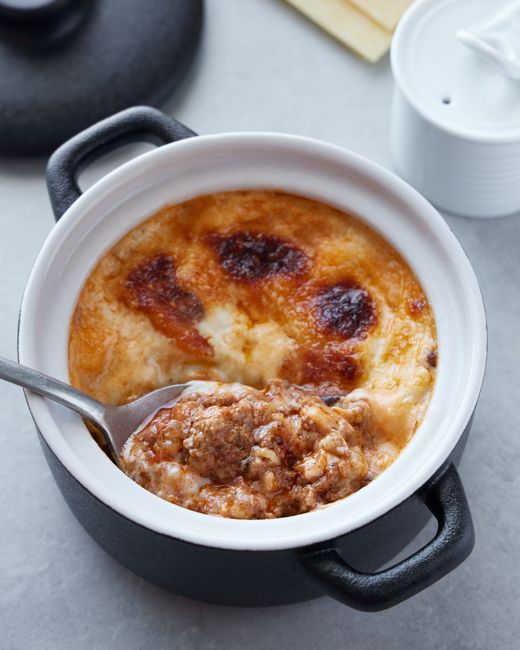
Want to take your Scandinavian cooking to the next level? Here are a few tips that I've learned along the way:
- Embrace Simplicity: Don't overcomplicate things. Focus on using high-quality ingredients and letting their natural flavors shine.
- Don't Be Afraid of Pickling: Pickling is a great way to preserve seasonal vegetables and add a tangy flavor to your dishes.
- Experiment with Herbs and Spices: Dill, parsley, caraway, and cardamom are all commonly used in Scandinavian cooking.
- Serve with Style: Presentation matters! Use simple, elegant tableware and garnish your dishes with fresh herbs.
- Don't Forget the Hygge: Hygge (pronounced "hoo-gah") is a Danish word that describes a feeling of coziness, contentment, and well-being. Create a warm and inviting atmosphere when you're enjoying your Scandinavian meal. Light candles, put on some relaxing music, and enjoy the company of friends and family.
Beyond the Recipes: Exploring the Scandinavian Food Culture

Ultimately, Scandinavian food is more than just recipes – it's a reflection of the culture and values of the region. It's about connecting with nature, respecting the environment, and celebrating the simple pleasures of life. I encourage you to explore beyond the recipes and learn more about the history and traditions behind this amazing cuisine. Visit a local Scandinavian restaurant, browse a Scandinavian cookbook, or even plan a trip to Scandinavia to experience the food firsthand. You won't be disappointed!
So there you have it – my guide to Scandinavian food! I hope this has inspired you to try some new recipes and bring a little bit of Nordic flavor into your own kitchen. Remember, it's all about having fun, experimenting with flavors, and embracing the simplicity and freshness of Scandinavian cuisine. Skål!
Post a Comment