Scotland's Highlands: A Journey Through History, Whisky, and Untamed Beauty
Scotland's Highlands: A Journey Through History, Whisky, and Untamed Beauty
Hey there, fellow adventurer! I'm so excited to share my love for a truly magical place: the Scottish Highlands. If you're anything like me, you're drawn to landscapes that whisper stories of the past, flavors that dance on your tongue, and a sense of wildness that reawakens your soul. The Highlands offer all that and more. Let's embark on a journey together, exploring the rich history, iconic whisky, and breathtaking scenery that make this corner of the world so special.
A Land Forged in History: Echoes of the Past
Imagine standing on a windswept moor, the only sound the cry of a hawk overhead. Close your eyes, and you can almost hear the clash of steel, the mournful notes of bagpipes, and the whispers of clansmen defending their land. The history of the Scottish Highlands is etched into its very fabric, a tapestry woven with tales of fierce independence, tragic conflicts, and enduring resilience.
The story begins long before recorded history, with the Picts, mysterious people who left behind intricately carved stones as their only testament. Their origins remain shrouded in mystery, but their presence is undeniable. Then came the Gaels, who established the kingdom of Dalriada in the 6th century, laying the foundation for what would eventually become Scotland.
But the Highlands, with their rugged terrain and isolated glens, always remained somewhat apart from the rest of the country. Clan society flourished, with each clan controlling its own territory and owing allegiance to its chief. These clans were fiercely independent, often clashing with each other and with the Scottish crown. Think Braveheart, but with a much more nuanced and complex reality.
One of the most significant periods in Highland history is undoubtedly the Jacobite era. The Jacobites were supporters of the Stuart dynasty, who believed that they were the rightful heirs to the throne after being ousted by the Hanoverians. The Jacobite Risings, particularly the rebellions of 1715 and 1745, were desperate attempts to restore the Stuarts to power. The Battle of Culloden in 1746 marked a devastating end to the Jacobite cause and a turning point in Highland history.
After Culloden, the British government implemented a series of measures aimed at suppressing Highland culture and weakening the clan system. This included:
- The Disarming Act: Banned the carrying of weapons, effectively disarming the Highland clans.
- The Dress Act: Prohibited the wearing of Highland dress, including the kilt, further suppressing Highland identity.
- The Heritable Jurisdictions Act: Abolished the hereditary powers of the clan chiefs, diminishing their authority.
These measures had a profound impact on Highland society, leading to the decline of traditional ways of life and the displacement of many Highlanders. The Highland Clearances, a period of forced evictions that began in the late 18th century and continued into the 19th century, saw thousands of Highlanders evicted from their ancestral lands to make way for sheep farming. This was a deeply traumatic experience for the Highland people, and its legacy continues to be felt today.
Visiting places like Culloden Battlefield is a deeply moving experience. Walking the ground where so many lives were lost, reading the accounts of the battle, and imagining the scene that unfolded there gives you a profound appreciation for the sacrifices made and the resilience of the Highland spirit. Other historical sites, like the ruins of Urquhart Castle on the shores of Loch Ness, and the majestic Eilean Donan Castle, offer glimpses into different eras of Highland history, each with its own unique story to tell.
Whisky: The Water of Life Flows Through the Highlands

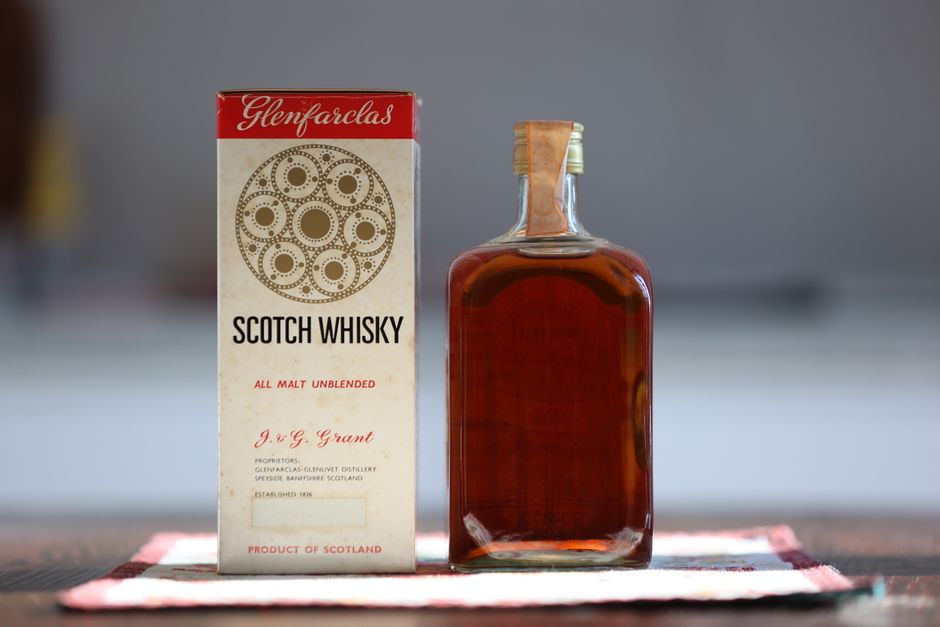
No exploration of the Scottish Highlands would be complete without delving into the world of whisky. For centuries, whisky has been an integral part of Highland culture, a symbol of hospitality, and a source of pride. The Gaelic word for whisky is "uisge beatha," which translates to "water of life," and it's easy to see why. A dram of whisky can warm you on a cold Highland evening, bring people together in celebration, and offer a moment of quiet contemplation.
The Highlands are home to some of the most famous and respected whisky distilleries in the world. The unique combination of pristine water sources, peat-rich soil, and skilled craftsmanship results in whiskies that are renowned for their complexity, character, and flavor. Each distillery has its own distinctive style, reflecting the local environment and the traditions of its distillers.
There are several distinct whisky regions within the Highlands, each known for its own characteristics:
- Speyside: Located in the northeast Highlands, Speyside is the most concentrated whisky-producing region in Scotland. Speyside whiskies are typically known for their fruity, sweet, and often sherry-influenced flavors. Popular distilleries include Macallan, Glenfiddich, and Balvenie.
- Highlands (excluding Speyside): This vast region encompasses a wide range of styles, from the light and floral whiskies of the Eastern Highlands to the smoky and peaty whiskies of the Western Highlands. Popular distilleries include Dalmore, Oban, and Highland Park (technically located in Orkney, but often associated with the Highland style).
- Islands: While technically separate from the mainland Highlands, the Islands are often considered part of the Highland whisky region due to their shared characteristics. Island whiskies are typically known for their maritime notes, often with hints of sea salt, smoke, and peat. Popular distilleries include Talisker (Skye) and Tobermory (Mull).
Visiting a distillery in the Highlands is an absolute must for any whisky lover. You'll have the opportunity to learn about the whisky-making process from grain to glass, tour the distillery facilities, and of course, sample some of the finest whiskies in the world. Many distilleries offer different types of tours, from basic introductory tours to more in-depth experiences that include tastings of rare and limited-edition whiskies.
Even if you're not a seasoned whisky drinker, I encourage you to try a dram or two. Start with a lighter, more approachable whisky, and gradually work your way up to more complex and peaty expressions. Pay attention to the aromas and flavors, and don't be afraid to ask questions. The staff at the distilleries are usually incredibly knowledgeable and passionate about whisky, and they're happy to share their expertise with you.
And remember, whisky is meant to be enjoyed! Sip it slowly, savor the flavors, and let it transport you to the rugged landscapes and ancient traditions of the Scottish Highlands.
The Untamed Beauty of the Landscape: A Feast for the Senses
Beyond the history and the whisky, the most captivating aspect of the Scottish Highlands is undoubtedly its breathtaking scenery. From towering mountains and dramatic coastlines to shimmering lochs and verdant glens, the Highlands offer a visual feast that will leave you in awe. It's a place where you can truly connect with nature and escape the hustle and bustle of modern life.
Some of the most iconic landscapes in the Highlands include:
- Loch Ness: Home to the legendary Loch Ness Monster, this deep and mysterious loch is surrounded by stunning scenery. A boat trip on Loch Ness is a must-do, and you might even catch a glimpse of Nessie herself!
- The Isle of Skye: This island off the west coast of Scotland is renowned for its dramatic landscapes, including the jagged peaks of the Cuillin Mountains, the otherworldly rock formations of the Old Man of Storr, and the picturesque Fairy Pools.
- Glencoe: This dramatic glen is steeped in history and known for its stunning scenery. It's a popular spot for hiking, climbing, and simply soaking in the beauty of the landscape. The Glencoe Visitor Centre is well worth a visit to learn about the glen's history and geology.
- The Cairngorms National Park: This vast national park is home to some of the highest mountains in Scotland, as well as ancient forests, shimmering lochs, and diverse wildlife. It's a paradise for outdoor enthusiasts, offering opportunities for hiking, skiing, mountain biking, and wildlife watching.
- The North Coast 500: This scenic driving route circles the northern Highlands, taking you through some of the most stunning coastal scenery in Scotland. It's a fantastic way to explore the region at your own pace, stopping at charming villages, historic sites, and breathtaking viewpoints along the way.
Whether you're a seasoned hiker or simply enjoy a leisurely stroll, there are countless opportunities to explore the natural beauty of the Highlands. There are trails to suit all levels of fitness, from gentle walks along loch shores to challenging climbs to mountain summits. Be sure to check the weather forecast before heading out, as conditions in the Highlands can change rapidly.
And don't forget to keep an eye out for wildlife! The Highlands are home to a diverse range of animals, including red deer, golden eagles, otters, pine martens, and wildcats. With a bit of luck, you might even spot a dolphin or a whale off the coast.
For me, spending time in the Highlands is like pressing the reset button. The vastness of the landscape, the purity of the air, and the sense of connection to nature have a profound effect on my well-being. It's a place where I can slow down, disconnect from the digital world, and reconnect with myself.
Planning Your Highland Adventure
Ready to experience the magic of the Scottish Highlands for yourself? Here are a few tips to help you plan your adventure:
- When to go: The best time to visit the Highlands is generally during the shoulder seasons (April-May and September-October). The weather is usually mild, the crowds are smaller, and the scenery is at its most vibrant. Summer (June-August) can be busy and the midges (tiny biting insects) can be a nuisance. Winter (November-March) can be cold and snowy, but it also offers a unique and dramatic landscape.
- Getting there: The main airports serving the Highlands are Inverness Airport (INV) and Glasgow Airport (GLA). You can also reach the Highlands by train or bus. Driving is a great way to explore the region at your own pace, but be aware that some roads can be narrow and winding.
- Accommodation: The Highlands offer a wide range of accommodation options, from cozy bed and breakfasts to luxurious hotels. Camping is also a popular option, especially in the national parks. Book your accommodation in advance, especially during peak season.
- What to pack: Be prepared for all types of weather, even in summer. Pack layers of clothing, waterproof outerwear, sturdy walking shoes, and insect repellent.
- Respect the environment: The Highlands are a fragile ecosystem, so it's important to be respectful of the environment. Follow the Scottish Outdoor Access Code, leave no trace, and avoid disturbing wildlife.
The Scottish Highlands are a truly special place, a land of history, whisky, and untamed beauty. Whether you're interested in exploring ancient castles, sampling world-class whiskies, or hiking through breathtaking landscapes, the Highlands have something to offer everyone. So pack your bags, grab your camera, and prepare to be amazed!
I hope you enjoyed this journey through the Highlands with me. Until next time, happy travels!
Post a Comment