Spanish Food From Paella to Jamón: A Culinary Journey Through Spain
Spanish Food From Paella to Jamón: A Culinary Journey Through Spain
Hey there, food lovers! Let's embark on a delicious adventure to Spain, a country bursting with vibrant flavors and culinary traditions. I've always been captivated by Spanish cuisine, and I'm so excited to share my experiences and insights with you. From the iconic paella to the exquisite jamón, Spanish food is a celebration of fresh ingredients, simple techniques, and a whole lot of heart.
A Deep Dive into Paella: More Than Just Rice

Let's start with paella, arguably Spain's most famous dish. When people think of Spanish food, paella is often the first thing that comes to mind. But did you know that there's so much more to it than just rice and seafood? The name "paella" actually comes from the wide, shallow pan it's cooked in, a pan that allows for even cooking and that signature socarrat – that slightly crispy, caramelized layer of rice at the bottom that's fiercely prized!
I remember the first time I tried authentic paella. I was in Valencia, the birthplace of paella, and the aroma alone was intoxicating. The saffron-infused rice, the tender chicken and rabbit, the perfectly cooked vegetables – it was a symphony of flavors and textures. It completely changed my perception of what rice could be.
There are so many variations of paella, each reflecting the region's unique ingredients and traditions. Here are a few popular types:
- Paella Valenciana: Considered the original and most authentic paella, it typically includes chicken, rabbit, snails (sometimes), white beans, green beans, and saffron. Seafood is generally not part of the traditional Valencian recipe.
- Paella de Marisco (Seafood Paella): A vibrant and visually stunning paella loaded with prawns, mussels, clams, squid, and other seafood. It often has a richer, more intense seafood flavor.
- Paella Mixta (Mixed Paella): A combination of meat and seafood, offering a little something for everyone. This is a very common and popular type of paella found in many restaurants.
- Paella Negra (Black Paella): Gets its distinctive black color from squid ink, which also imparts a unique, slightly salty flavor. It's often served with alioli (garlic mayonnaise).
Making paella at home can seem daunting, but it's definitely achievable with a little practice and the right ingredients. Don't be afraid to experiment and adjust the recipe to your own tastes. Just remember the key elements: a good quality paella pan, bomba rice (which absorbs liquid without becoming mushy), saffron, and a flavorful broth.
Jamón: The Jewel of Spanish Cured Meats

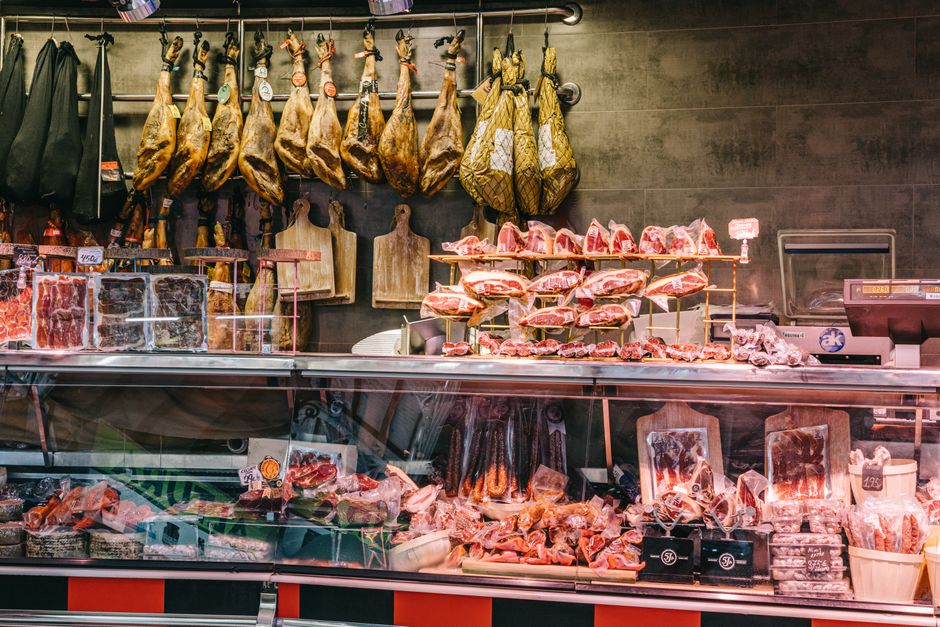
Next up, let's talk about jamón. Oh, the jamón! This cured ham is a true delicacy and a staple of Spanish cuisine. It's more than just ham; it's an art form, a tradition, and a symbol of Spanish culture.
There are two main types of jamón: Jamón Serrano and Jamón Ibérico. The difference lies in the breed of pig and their diet. Jamón Serrano comes from white-footed pigs, while Jamón Ibérico comes from black Iberian pigs, known for their ability to store fat.
But the real magic happens with Jamón Ibérico, especially Jamón Ibérico de Bellota. These pigs roam freely in oak forests, gorging themselves on acorns (bellotas) during the montanera season. This diet gives the ham its distinctive nutty flavor and marbling of fat, which melts in your mouth. It's an incredibly special experience! The curing process can take anywhere from 18 months to over 3 years, depending on the size and type of ham.
I remember visiting a jamón factory in Extremadura, and it was fascinating to see the entire process, from the salting and drying to the aging and curing. The aroma in the aging room was incredible – a blend of salt, spices, and the unmistakable scent of cured ham. It was truly an eye-opening experience.
Serving jamón is also an art. It should be thinly sliced, almost translucent, to allow the flavors to fully develop. It's often served on its own, with bread, or as part of a tapas platter. I love pairing it with Manchego cheese and a glass of Spanish red wine. It's a simple yet incredibly satisfying combination.
Tapas: Small Bites, Big Flavors
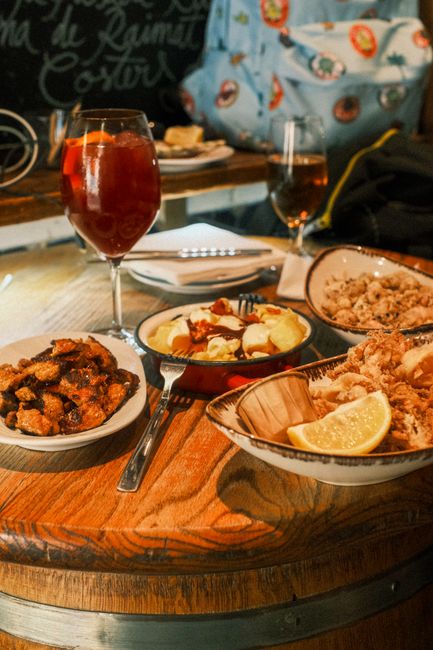
Speaking of tapas, let's dive into this world of small plates that are perfect for sharing and sampling a variety of Spanish flavors. Tapas are an integral part of Spanish culture, often enjoyed with friends and family over a leisurely evening. Going "de tapas" – hopping from bar to bar, trying different dishes at each – is a quintessential Spanish experience.
There's a huge variety of tapas, from simple olives and almonds to more elaborate dishes like patatas bravas (fried potatoes with spicy sauce) and gambas al ajillo (garlic shrimp). Here are a few of my favorites:
- Patatas Bravas: Crispy fried potatoes topped with a spicy tomato sauce and aioli. It's a classic tapas dish that's always a crowd-pleaser.
- Gambas al Ajillo: Shrimp sautéed in garlic, olive oil, and chili peppers. It's simple, flavorful, and incredibly addictive.
- Croquetas: Breaded and fried béchamel fritters filled with various ingredients like ham, chicken, or mushrooms. They're creamy, crunchy, and oh-so-satisfying.
- Pulpo a la Gallega: Galician-style octopus, boiled until tender and then seasoned with olive oil, paprika, and salt. It's a surprisingly delicate and flavorful dish.
- Pimientos de Padrón: Small green peppers pan-fried and sprinkled with sea salt. Most are mild, but every now and then you'll get a spicy one!
- Tortilla Española: A thick potato and egg omelet. It's simple, comforting, and a staple of Spanish cuisine.
I love the social aspect of tapas. It's a chance to try new things, share food with friends, and soak up the vibrant atmosphere of Spanish bars. Don't be afraid to be adventurous and try something new – you might just discover your next favorite dish!
Beyond Paella and Jamón: Exploring Regional Specialties

While paella and jamón are undoubtedly iconic, Spanish cuisine is incredibly diverse, with each region boasting its own unique specialties. Let's take a quick tour around the country and explore some of these regional treasures:
- Gazpacho (Andalusia): A refreshing cold soup made with tomatoes, cucumbers, peppers, onions, and garlic. It's perfect for hot summer days.
- Fabada Asturiana (Asturias): A hearty bean stew with chorizo, morcilla (blood sausage), and bacon. It's a comforting and flavorful dish that's perfect for cold weather.
- Pintxos (Basque Country): Similar to tapas, but often more elaborate and served on skewers. They're a staple of Basque cuisine and a must-try when visiting the region.
- Escalivada (Catalonia): Roasted vegetables (typically eggplant, peppers, onions, and tomatoes) served with olive oil and garlic. It's a simple yet incredibly flavorful dish.
- Cochinillo Asado (Castile and León): Roasted suckling pig, cooked until the skin is crispy and the meat is tender. It's a celebratory dish that's often served at special occasions.
I've had the opportunity to visit many of these regions, and each one has surprised and delighted me with its unique culinary offerings. From the seafood stews of Galicia to the hearty meat dishes of Castile and León, there's something for everyone to discover in Spanish cuisine.
Spanish Drinks: More Than Just Sangria
No culinary journey through Spain would be complete without mentioning the drinks! While sangria is a popular and refreshing choice, there's so much more to explore.
Spanish wines are world-renowned, with regions like Rioja, Ribera del Duero, and Priorat producing some of the finest wines in the world. From crisp white wines like Albariño to bold red wines like Tempranillo, there's a Spanish wine to suit every taste.
Sherry, a fortified wine from Andalusia, is another must-try. It comes in a variety of styles, from dry and nutty Fino to sweet and rich Pedro Ximénez. It's a versatile drink that can be enjoyed as an aperitif, with tapas, or as a dessert wine.
And let's not forget cerveza (beer)! Spanish beer is often enjoyed ice-cold with tapas, especially on a hot day. Mahou and Estrella Galicia are two popular brands.
Here are a few of my favorite Spanish drinks pairings:
- Tapas and a glass of chilled Albariño wine.
- Jamón Ibérico with a glass of dry Fino Sherry.
- Paella with a crisp, refreshing Verdejo white wine.
Bringing Spain Home: Cooking Tips and Resources

Inspired to try your hand at Spanish cooking? Here are a few tips and resources to get you started:
- Source high-quality ingredients: Fresh, seasonal ingredients are key to authentic Spanish flavors. Look for Spanish olive oil, saffron, and bomba rice.
- Don't be afraid to experiment: Spanish cuisine is all about simple techniques and letting the ingredients shine. Don't be afraid to experiment with different flavors and ingredients.
- Find reliable recipes: There are many excellent cookbooks and websites dedicated to Spanish cuisine. Look for recipes that are authentic and easy to follow.
- Practice makes perfect: Like any cuisine, Spanish cooking takes practice. Don't be discouraged if your first attempts aren't perfect – just keep trying!
Some of my favorite resources for Spanish recipes include:
- Penelope Casas' "The Foods and Wines of Spain": A classic cookbook that covers a wide range of Spanish dishes.
- "Spanish Made Easy" by Simone Ortega: A more modern approach to spanish cooking, with easy to find ingredients.
- Websites like "Spain on a Fork" and "The Spanish Chef": Offer a wealth of authentic Spanish recipes and cooking tips.
Final Thoughts: A Culinary Adventure Awaits

I hope this article has inspired you to explore the wonderful world of Spanish cuisine. From the iconic paella to the exquisite jamón, there's so much to discover. Whether you're planning a trip to Spain or simply want to try cooking some Spanish dishes at home, I encourage you to embrace the flavors, traditions, and culture of this vibrant country.
So, gather your friends, pour a glass of Spanish wine, and get ready to embark on a culinary adventure that will tantalize your taste buds and leave you wanting more. ¡Buen provecho!
Post a Comment