Turkish Food: A Vibrant Fusion of Flavors You Absolutely HAVE to Experience!
Turkish Food: A Vibrant Fusion of Flavors You Absolutely HAVE to Experience!
Hey everyone! Let's talk about food, specifically Turkish food! I'm absolutely obsessed, and I'm so excited to share my passion with you. It's more than just kebabs (though those are amazing too!). It's a complex, delicious tapestry woven from centuries of history, geography, and cultural exchange. Think about it – nestled at the crossroads of Europe and Asia, Turkey has absorbed influences from so many different culinary traditions. The result? A food scene that's unbelievably diverse, flavorful, and satisfying.
A Culinary Melting Pot: Where East Meets West (and Beyond!)

Seriously, the history behind Turkish cuisine is fascinating. The Ottoman Empire, which ruled for over 600 years, stretched across vast territories, incorporating elements from Central Asian, Middle Eastern, Balkan, and Mediterranean cultures. Imagine the chefs in the Ottoman palaces experimenting with all those new ingredients and cooking techniques! This historical fusion is why you'll find similarities and differences in Turkish food compared to Greek, Iranian, and even Italian dishes.
For example, yogurt is a staple. You'll find it in everything from savory dips and sauces to desserts. Central Asian nomads are credited with its invention, and it became a crucial ingredient in Ottoman cuisine. Similarly, rice dishes are prevalent, reflecting influences from the Middle East and Asia. The use of spices is incredibly rich, with flavors like cumin, paprika, mint, and cinnamon playing crucial roles. And don't even get me started on the olive oil – the Mediterranean influence shines brightly here, especially in the Aegean and Marmara regions.
The sheer variety within Turkish cuisine is truly impressive. It's not just one monolithic entity; regional differences are significant. The food in Southeastern Turkey, near the Syrian border, is spicier and often features dishes with more bulgur and lentils. The Black Sea region, with its lush green hills and abundant seafood, boasts dishes featuring corn, anchovies, and butter. And the Aegean coast embraces olive oil, fresh vegetables, and seafood in light and flavorful preparations.
Beyond the Kebab: Exploring Turkish Culinary Delights

Okay, let's dive into some specific dishes! Of course, we have to talk about kebabs. But let's go beyond the typical doner kebab (delicious as it is!). Here's a rundown of some popular varieties:
- Adana Kebabı: Spicy minced meat kebab, grilled on a wide skewer. It's fiery and full of flavor!
- Urfa Kebabı: Similar to Adana, but milder in spice. Perfect if you prefer a less intense kick.
- İskender Kebabı: Thinly sliced doner kebab served on a bed of pide bread, topped with tomato sauce, melted butter, and yogurt. This is a personal favorite!
- Şiş Kebabı: Marinated cubes of lamb, chicken, or beef, grilled on a skewer. Simple, but incredibly tasty.
- Testi Kebabı: A stew of meat and vegetables cooked in a sealed clay pot over hot coals. The dramatic presentation – cracking open the pot at your table – adds to the experience!
But Turkish food is so much more than just kebabs! Here are some other dishes you absolutely need to try:
- Meze: An assortment of appetizers, served before the main course. Think hummus, baba ghanoush, stuffed grape leaves (dolma), haydari (yogurt dip), and ezme (spicy tomato salad).
- Lahmacun: A thin, crispy flatbread topped with minced meat, vegetables, and herbs. Often referred to as "Turkish pizza."
- Pide: A boat-shaped flatbread filled with various toppings, such as cheese, meat, or vegetables. Think of it as a rustic, Turkish version of pizza.
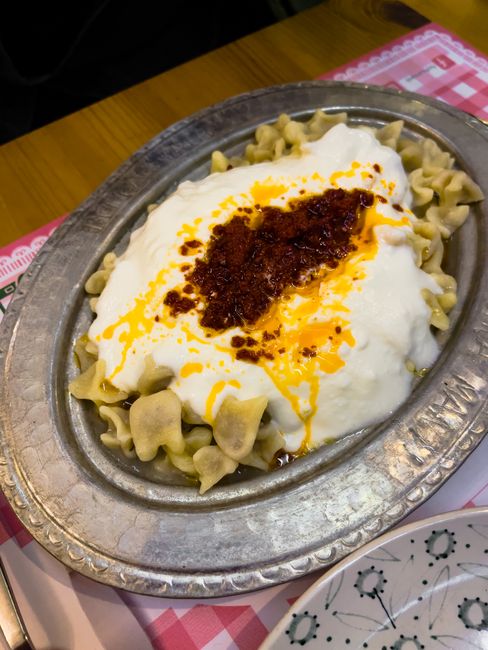
- Mantı: Tiny dumplings filled with seasoned ground meat, served with yogurt, garlic, and melted butter with red pepper flakes. It's like Turkish ravioli!
- Köfte: Meatballs, often seasoned with cumin, mint, and other spices. They can be grilled, fried, or simmered in a tomato sauce.
- Dolma and Sarma: Stuffed grape leaves (sarma) or other vegetables like peppers, tomatoes, and zucchini (dolma) with rice, herbs, and sometimes meat.
- Çorba (Soup): Turkish cuisine features a wide variety of soups, from lentil soup (mercimek çorbası) to yogurt soup (yayla çorbası) and tripe soup (işkembe çorbası).
A Sweet Ending: Turkish Desserts to Die For

No discussion of Turkish food is complete without mentioning the desserts! Prepare for a sugar rush (in the best possible way!).
The most famous dessert, of course, is Baklava. Layers of flaky phyllo pastry, filled with chopped nuts and soaked in sweet syrup. It's rich, decadent, and utterly irresistible. Every family has their own secret recipe, and the variations are endless.
Here are some other tempting Turkish sweets:
- Künefe: Shredded phyllo dough baked with cheese and soaked in syrup. The crispy exterior and gooey, cheesy interior are a match made in heaven.
- Sütlaç: Rice pudding, often baked until the top is caramelized. Simple, comforting, and delicious.
- Lokum (Turkish Delight): Soft, chewy cubes of flavored gelatin, often dusted with powdered sugar. Rosewater, pistachio, and lemon are popular flavors.
- Kazandibi: A caramelized milk pudding. The bottom layer is intentionally burned, giving it a unique, smoky flavor.
- Dondurma (Turkish Ice Cream): Known for its stretchy, chewy texture, thanks to the addition of salep (a flour made from orchid roots) and mastic (a resin). It's also known for the theatrical presentations of the street vendors!
The Turkish Coffee and Tea Culture

Beyond the food itself, the Turkish coffee and tea culture is an integral part of the dining experience. Turkish coffee is strong, unfiltered, and traditionally prepared in a cezve (a small copper pot) over hot sand. The thick residue left at the bottom of the cup is often used for fortune telling.
Turkish tea, or çay, is consumed in vast quantities throughout the day. It's brewed in a double teapot (çaydanlık) and served in small, tulip-shaped glasses. Sharing a cup of tea is a sign of hospitality and friendship.
There's even a whole ritual around serving and drinking tea. It's usually served in clear, tulip-shaped glasses so you can admire the beautiful amber color. And it's often accompanied by small treats like cookies or dried fruit.
My Personal Turkish Food Adventures

I've had some incredible experiences exploring Turkish cuisine, both in Turkey and in Turkish restaurants around the world. I remember one time in Istanbul, I stumbled upon a tiny, family-run restaurant in the backstreets of Sultanahmet. The owner, a sweet old woman, insisted on feeding me dish after dish, each one more delicious than the last. She even taught me how to make proper Turkish coffee!
Another time, I was traveling through the Cappadocia region and had the chance to try testi kebabı cooked in an underground oven. The anticipation of seeing the clay pot being cracked open was almost as exciting as tasting the food itself. The meat was incredibly tender and flavorful, infused with the smoky aroma of the wood fire.
Even just going to my local Turkish restaurant brings me joy. The warmth of the atmosphere, the friendly staff, and, of course, the amazing food – it's always a treat.
Where to Find Authentic Turkish Flavors

Luckily, you don't have to travel all the way to Turkey to experience authentic Turkish flavors. Many cities have thriving Turkish communities with excellent restaurants and grocery stores.
Here are some tips for finding authentic Turkish food:
- Look for restaurants with Turkish names and Turkish-speaking staff. This is usually a good indicator of authenticity.
- Check online reviews. See what other people have to say about the food and atmosphere.
- Don't be afraid to ask questions. If you're unsure about a dish, ask the server to explain it.
- Visit Turkish grocery stores. You can find ingredients like spices, cheeses, and Turkish coffee to try cooking at home.
- Attend Turkish cultural events. These events often feature food stalls and demonstrations.
Turkish Food: A Feast for the Senses

Ultimately, Turkish food is more than just a meal; it's an experience. It's a celebration of flavors, textures, and aromas. It's a journey through history and culture. It's a chance to connect with people and share a delicious meal. So, the next time you're looking for a culinary adventure, give Turkish food a try. I promise you won't be disappointed!
Whether it's the aromatic spices, the comforting warmth of a bowl of lentil soup, or the satisfying crunch of baklava, Turkish food has something to offer everyone. So go on, explore the world of Turkish flavors – your taste buds will thank you!
Post a Comment