European Architecture: A Journey From Gothic Grandeur to Modern Marvels

European Architecture: A Journey From Gothic Grandeur to Modern Marvels
Hey there! Ever feel like you're stepping back in time, or maybe leaping into the future, just by walking down a street in Europe? I know I do! It's all thanks to the incredible tapestry of architecture woven across the continent, a story told in stone, brick, glass, and steel. Let's take a stroll together, shall we, exploring European architecture from the breathtaking heights of Gothic cathedrals to the sleek lines of modern skyscrapers. Trust me, it's a journey you won't forget!
Gothic Cathedrals: Reaching for the Heavens
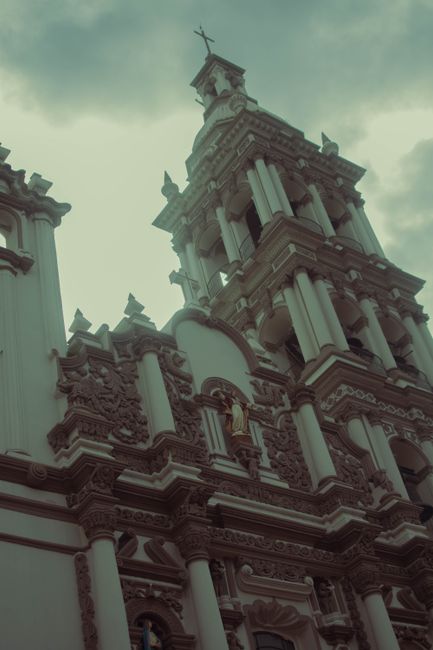
Let's start with the big one – quite literally! Gothic cathedrals are probably the first thing that pops into many people's minds when they think of European architecture, and for good reason. These magnificent structures, built primarily between the 12th and 16th centuries, are simply awe-inspiring. They weren't just places of worship; they were expressions of faith, community, and incredible engineering.
Imagine standing before Notre Dame in Paris, or Cologne Cathedral in Germany. The sheer scale is overwhelming, right? But it's not just size; it's the details. Those pointed arches, the ribbed vaults, the flying buttresses – all working together to support the immense weight of the building and allowing for those stunning stained-glass windows. It's ingenious!
Here's what makes Gothic architecture so special:
- Pointed Arches: Instead of the rounded arches of Romanesque architecture (which came before), Gothic arches distribute weight more efficiently, allowing for taller and wider spaces.
- Ribbed Vaults: These are essentially a framework of pointed arches that support the roof, creating a visually stunning and structurally sound ceiling.
- Flying Buttresses: These external supports transfer the weight of the roof and walls outwards, freeing up space for larger windows and thinner walls. Think of them as external skeletons holding the whole thing up!
- Stained Glass Windows: Ah, the stained glass! These weren't just pretty decorations. They told biblical stories to a largely illiterate population, and the way the light streams through them, casting vibrant colors onto the stone floors, is truly magical.
The best example of stained glass windows in Gothic Cathedrals is Sainte-Chapelle in Paris. When the sun shines through these windows, the chapel is transformed into a kaleidoscope of colors, creating a spiritual and ethereal atmosphere. Experiencing it is a truly humbling and unforgettable moment.
Renaissance Grandeur: A Return to Classical Ideals

As we move forward in time, we arrive at the Renaissance (roughly 14th to 17th centuries). This period marked a renewed interest in classical art and architecture, drawing inspiration from ancient Greece and Rome. Forget the soaring heights and pointed arches; the Renaissance brought a sense of balance, harmony, and humanism back into architectural design.
Think of the dome of St. Peter's Basilica in Rome, designed by Michelangelo. It's massive, yes, but it's also perfectly proportioned, radiating a sense of stability and grandeur. Renaissance architects favored symmetry, proportion, and the use of classical elements like columns, pilasters, and pediments.
Here's how Renaissance architecture stands out:
- Symmetry and Proportion: Renaissance buildings are all about balance. The left and right sides are often mirror images of each other, creating a sense of harmony.
- Classical Orders: Doric, Ionic, and Corinthian columns (and their variations) were revived and used extensively in facades, doorways, and interiors.
- Domes: Domes, inspired by the Pantheon in Rome, became a prominent feature, adding a sense of grandeur and importance to buildings.
- Rounded Arches and Vaults: Unlike the pointed arches of Gothic architecture, Renaissance buildings favored rounded arches and barrel vaults, reminiscent of Roman construction.
Visiting Florence, Italy, is like stepping into a Renaissance dream. The Duomo, with Brunelleschi's groundbreaking dome, is an absolute must-see. The Palazzo Pitti, with its imposing facade, perfectly embodies the Renaissance emphasis on symmetry and proportion.
Baroque Extravagance: Drama and Ornamentation

Following the Renaissance came the Baroque period (roughly 17th and 18th centuries), and oh boy, did things get interesting! If the Renaissance was about balance and harmony, the Baroque was about drama, extravagance, and a whole lot of ornamentation. Think swirling curves, elaborate sculptures, and a sense of movement and dynamism.
Imagine walking into the Palace of Versailles near Paris. The sheer opulence is staggering, isn't it? From the Hall of Mirrors to the gilded sculptures, every surface is adorned with intricate details. Baroque architects used light and shadow to create dramatic effects, and they weren't afraid to push the boundaries of architectural design.
Baroque architecture is characterized by:
- Elaborate Ornamentation: Think sculptures, carvings, gilding, and anything else that adds to the sense of grandeur and opulence.
- Curved Forms: Straight lines are rare in Baroque architecture. Instead, you'll find swirling curves, undulating facades, and dramatic perspectives.
- Light and Shadow: Baroque architects were masters of using light and shadow to create dramatic effects and highlight specific features of a building.
- Grand Scale: Baroque buildings are often large and imposing, designed to impress and overwhelm the viewer.
The Trevi Fountain in Rome is another prime example of Baroque artistry. The dynamic sculptures, the cascading water, and the overall sense of drama make it a truly unforgettable sight. It's a perfect representation of the Baroque period's love for theatricality and grandeur.
Neoclassical Restraint: A Return to Simplicity

As a reaction against the excesses of the Baroque, the Neoclassical movement emerged in the late 18th and early 19th centuries. This style, as the name suggests, looked back to the classical architecture of ancient Greece and Rome for inspiration. It emphasized order, reason, and simplicity, a stark contrast to the Baroque's extravagance.
Think of the Brandenburg Gate in Berlin. Its clean lines, symmetrical design, and Doric columns are all hallmarks of Neoclassical architecture. The goal was to create buildings that were both elegant and functional, embodying the ideals of the Enlightenment.
Key features of Neoclassical architecture include:
- Symmetry and Proportion: Like the Renaissance, Neoclassical architecture emphasized balance and harmony.
- Classical Elements: Doric, Ionic, and Corinthian columns, pediments, and friezes were used extensively.
- Simple Geometric Forms: Neoclassical buildings often feature simple, rectangular shapes and clean lines.
- Restrained Ornamentation: Unlike the Baroque, Neoclassical architecture favored minimal ornamentation, focusing on the beauty of the underlying structure.
The Panthéon in Paris, originally built as a church but now a secular mausoleum, is another excellent example. Its imposing dome, classical columns, and overall sense of grandeur exemplify the Neoclassical style's ambition and elegance.
Art Nouveau: Nature's Embrace

Jumping forward to the late 19th and early 20th centuries, we encounter Art Nouveau, a style that embraced organic forms and natural motifs. Think flowing lines, floral patterns, and a sense of whimsy and fantasy. Art Nouveau was a reaction against the industrialization and mass production of the time, seeking to bring beauty and craftsmanship back into everyday life.
Imagine strolling through the streets of Barcelona and seeing the buildings of Antoni Gaudí. His Sagrada Familia, still under construction after over a century, is a masterpiece of Art Nouveau, with its undulating facades, organic shapes, and intricate details inspired by nature.
What makes Art Nouveau so unique?
- Organic Forms: Art Nouveau buildings often feature flowing lines, curves, and shapes inspired by nature, such as flowers, plants, and animals.
- Asymmetry: Unlike the symmetrical designs of previous styles, Art Nouveau buildings often feature asymmetrical compositions, adding to their sense of dynamism and movement.
- Intricate Details: Art Nouveau is all about the details, from the elaborate ironwork to the stained-glass windows and the hand-crafted tiles.
- Use of New Materials: Art Nouveau architects often experimented with new materials, such as iron, glass, and ceramics, to create innovative and visually stunning designs.
The Casa Batlló, also in Barcelona, is another Gaudí gem. Its facade is like a living organism, with bone-like balconies, a scaly roof, and colorful mosaics that shimmer in the sunlight. It's a truly magical and unforgettable experience.
Modernism and Beyond: Function Over Form (Mostly!)
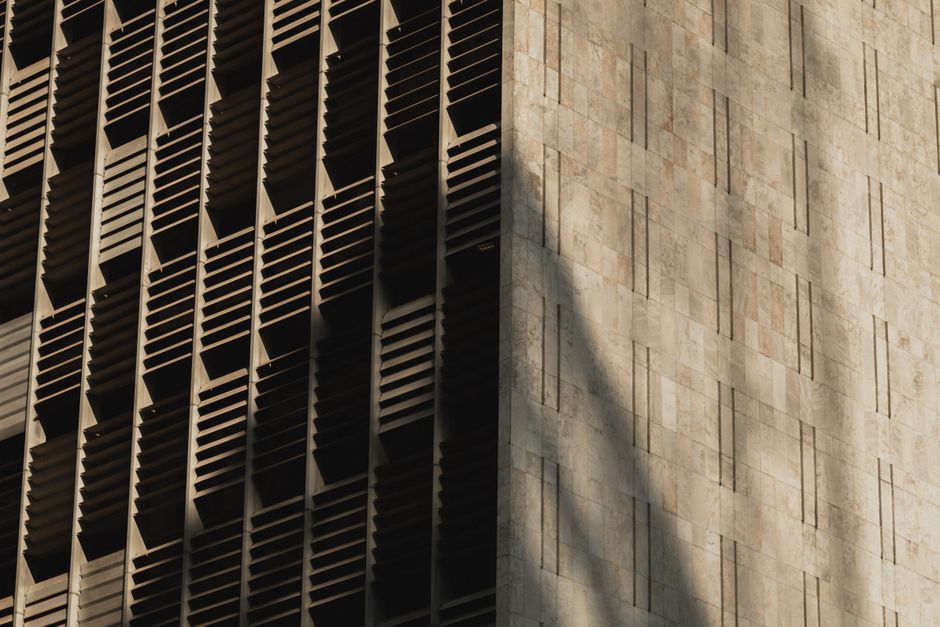
Finally, we arrive at the 20th and 21st centuries, a period of incredible experimentation and innovation in architecture. Modernism, which emerged in the early 20th century, rejected ornamentation and embraced functionality, simplicity, and the use of new materials like steel and concrete. Think clean lines, flat roofs, and large expanses of glass.
Later movements like Brutalism, with its raw concrete surfaces, and Deconstructivism, with its fragmented and chaotic forms, challenged the conventions of traditional architecture. And today, we see a wide range of styles, from sustainable design to high-tech architecture, reflecting the diverse needs and values of our society.
Here's a brief overview of modern architectural movements:
- Modernism: Emphasized functionality, simplicity, and the use of new materials. Examples include the Bauhaus school in Germany and the Villa Savoye in France.
- Brutalism: Characterized by its raw concrete surfaces and massive forms. Examples include the Barbican Centre in London and the Habitat 67 housing complex in Montreal.
- Deconstructivism: Challenged the conventions of traditional architecture with its fragmented and chaotic forms. Examples include the Guggenheim Museum Bilbao in Spain and the Vitra Design Museum in Germany.
Modern skyscrapers, like The Shard in London or the Turning Torso in Malmö, Sweden, are testaments to the ingenuity and technological advancements of contemporary architecture. They push the boundaries of what's possible, creating iconic landmarks that define the skylines of our cities.
Contemporary architecture continues to evolve, embracing sustainable practices, innovative materials, and a focus on creating spaces that are both functional and beautiful. It's an exciting time to be an architecture enthusiast, as we witness the birth of new and groundbreaking designs that will shape the future of our cities.
My Final Thoughts

So, there you have it – a whirlwind tour of European architecture, from the soaring heights of Gothic cathedrals to the sleek lines of modern skyscrapers. It's a story of faith, innovation, and human creativity, told in stone, brick, glass, and steel. I hope this has inspired you to look at the buildings around you with new eyes, to appreciate the history and artistry that goes into creating these incredible spaces. Next time you're in Europe, take some time to wander and explore – you might just be surprised by what you discover! Happy travels!
Post a Comment