European Christmas Traditions: A Festive Journey Through Lights, Markets, and Merriment
European Christmas Traditions: A Festive Journey Through Lights, Markets, and Merriment
Christmas in Europe is more than just a holiday; it's a vibrant tapestry woven with centuries of history, tradition, and uniquely festive celebrations. I've always been captivated by the sheer variety of Christmas customs across the continent, each country offering its own enchanting twist on this special time of year. Let's embark on a journey together, exploring some of the most beautiful and heartwarming European Christmas traditions that make the season so magical.
Christmas Markets: A Sensory Feast
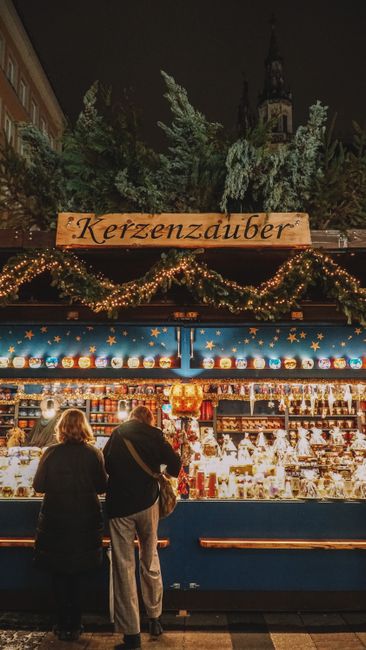
For me, no Christmas experience is complete without a visit to a European Christmas market. These bustling hubs of holiday cheer pop up in towns and cities across Europe, usually starting in late November and running right up until Christmas Eve (and sometimes even beyond!). They're a feast for the senses, with the aroma of spiced mulled wine (Glühwein in Germany, Vin Chaud in France), gingerbread, and roasted chestnuts filling the air. The twinkling lights, handcrafted ornaments, and joyful carols create an atmosphere of pure Christmas magic.
I've spent countless hours wandering through these markets, sipping Glühwein to warm my hands (and my spirits!), admiring the intricate craftsmanship of the ornaments, and soaking in the festive atmosphere. Some of my favorite markets include:
- Nuremberg Christkindlesmarkt (Germany): This is arguably one of the most famous and traditional Christmas markets in the world. It's known for its strict adherence to tradition, with only handcrafted goods and no plastic allowed! The Christkind, a young woman chosen to represent the spirit of Christmas, officially opens the market with a moving prologue.
- Strasbourg Christmas Market (France): Claiming to be the "Capital of Christmas," Strasbourg boasts one of the oldest Christmas markets in Europe, dating back to 1570. The city transforms into a dazzling wonderland, with festive decorations adorning every corner. The towering Christmas tree in Place Kléber is a sight to behold.
- Vienna Christmas Dream Market (Austria): Vienna takes Christmas markets to another level with several markets scattered throughout the city. The Christmas Dream Market at Rathausplatz is particularly enchanting, with an ice skating rink, children's workshops, and a stunning backdrop of the Rathaus (City Hall).
- Prague Christmas Markets (Czech Republic): Prague's Old Town Square and Wenceslas Square come alive with vibrant Christmas markets offering traditional Czech treats like Trdelník (a sweet pastry) and warm Medovina (honey wine). The stunning architecture of Prague provides a magical backdrop to the festivities.
Each market has its own unique charm and specialties. From hand-blown glass ornaments in Germany to intricately carved wooden toys in Austria, you're sure to find something special to take home as a reminder of your Christmas adventure.
Festive Food and Drink: A Culinary Christmas

Beyond the visual spectacle and joyful atmosphere, Christmas in Europe is a culinary adventure. Each country boasts its own unique Christmas dishes and drinks, reflecting local ingredients and traditions. Trying these festive treats is an essential part of experiencing the culture.
Here are just a few examples of the delicious delights you might encounter:
- Germany: Lebkuchen (gingerbread), Stollen (a fruitcake-like bread), Bratwurst (sausages), and Glühwein (mulled wine). I remember one particularly cold Christmas in Berlin where a warm Bratwurst and a steaming mug of Glühwein were the perfect remedy!
- France: Bûche de Noël (Yule log cake), Foie Gras, Oysters, and Vin Chaud (mulled wine). The French take their Christmas Eve dinner, Réveillon, very seriously, and it's often a lavish affair.
- Italy: Panettone (sweet bread loaf), Pandoro (star-shaped sweet bread), and various regional pasta dishes. In some parts of Italy, the feast of the Seven Fishes is a Christmas Eve tradition.
- Spain: Turrón (almond nougat), Polvorones (shortbread cookies), and roasted meats. A glass of Cava (Spanish sparkling wine) is a must!
- United Kingdom: Christmas Pudding, Mince Pies, Roast Turkey (or goose), and Mulled Wine or Mulled Cider. Don't forget the Christmas Crackers!
Exploring these culinary traditions is a wonderful way to connect with the local culture and create lasting memories. Don't be afraid to try new things and indulge in the festive flavors of Europe!
Christmas Eve Traditions: The Heart of the Holiday
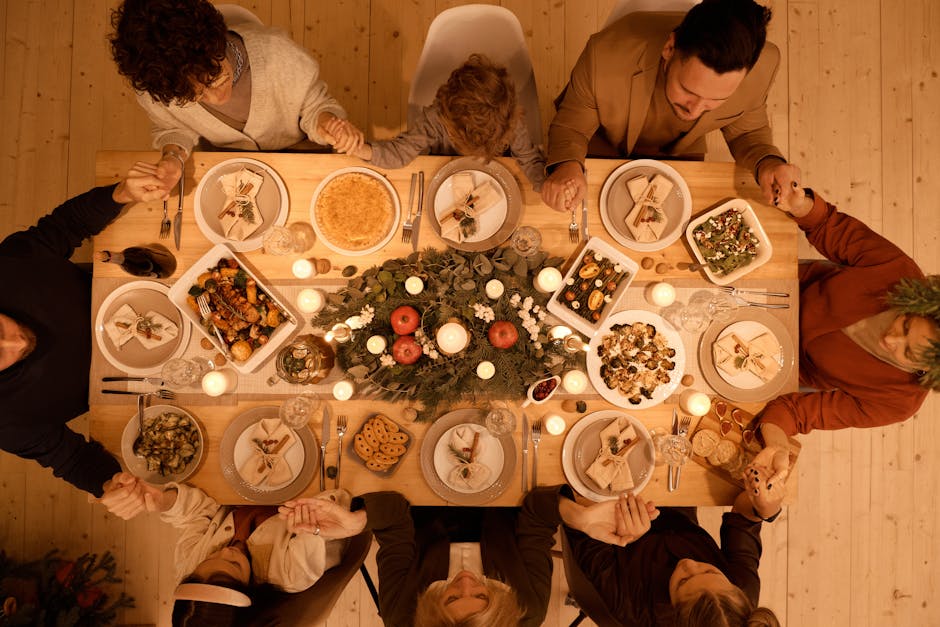
While Christmas Day is celebrated across Europe, Christmas Eve often holds special significance, with many families gathering for a special meal and exchanging gifts. Traditions vary widely from country to country, but they all share a common thread of warmth, family, and celebration.
Here are some fascinating Christmas Eve traditions I've learned about and even experienced firsthand:
- Germany: In many German families, Christmas Eve, or Heiligabend, is the main gift-giving occasion. Families gather to decorate the Christmas tree (often with real candles!), sing carols, and exchange presents. The Bescherung (gift-giving) usually happens after dinner.
- Czech Republic: Eating Carp on Christmas Eve is a popular tradition in the Czech Republic. Families often buy a live carp a few days before Christmas and keep it in the bathtub until it's time to prepare it. After dinner, some families release a few scales from the carp into their wallets to bring good luck for the coming year.
- Poland: The Christmas Eve meal, known as Wigilia, is a meatless feast featuring 12 dishes, each representing one of the twelve apostles. An empty place setting is often left at the table for an unexpected guest or a deceased family member.
- Italy: As mentioned earlier, the Feast of the Seven Fishes is a Christmas Eve tradition in some parts of Italy. This elaborate meal features seven different seafood dishes and is a celebration of abundance and good fortune.
- Scandinavian Countries: In many Scandinavian countries, including Sweden and Norway, Christmas Eve is the main event. Families gather for a traditional Christmas dinner, often featuring Julbord (a smorgasbord of Christmas dishes), and exchange gifts after dinner. Some families also leave out porridge for the Nisser (house gnomes) to ensure good luck for the coming year.
These unique traditions highlight the diverse cultural heritage of Europe and offer a glimpse into the values and beliefs that are important to different communities.
Christmas Decorations: A Festive Transformation

From twinkling lights to elaborate nativity scenes, Christmas decorations play a vital role in creating the festive atmosphere of the season. European cities and towns are transformed into winter wonderlands, with lights adorning buildings, Christmas trees gracing town squares, and shop windows displaying enchanting holiday scenes.
Here are a few examples of distinctive Christmas decorations I've admired:
- Christmas Trees: Christmas trees are a central part of Christmas decorations in many European countries. Whether it's a real tree adorned with twinkling lights and ornaments or an elaborate artificial tree in a town square, the Christmas tree is a symbol of hope and joy. I always get a real tree, the smell is just the best part of Christmas!
- Nativity Scenes: Nativity scenes, depicting the birth of Jesus, are a traditional Christmas decoration in many Catholic countries, particularly in Italy, Spain, and Portugal. These scenes can range from simple figurines in a home to elaborate displays in churches and public spaces.
- Advent Wreaths: Advent wreaths, with four candles representing the four Sundays leading up to Christmas, are a common decoration in many Christian households. A new candle is lit each Sunday, symbolizing the increasing light of Christ.
- Light Displays: Many European cities and towns go all out with their Christmas light displays, creating dazzling spectacles that attract visitors from around the world. From the Champs-Élysées in Paris to Oxford Street in London, these light displays are a sight to behold.
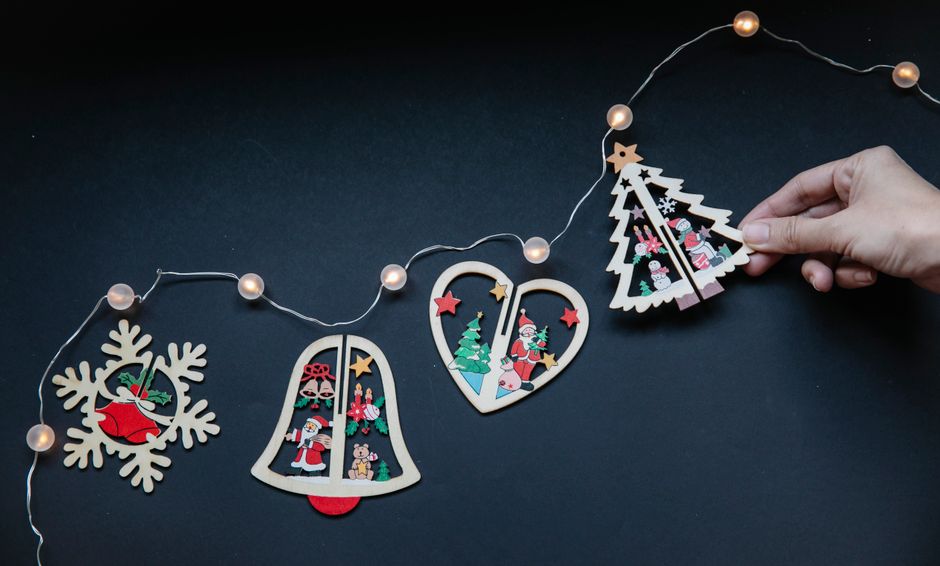
- Pyramids and Arches: In Germany, you'll often see wooden Christmas pyramids and Schwibbogen (arches) illuminated with candles. These are traditional Erzgebirge folk art and beautiful to admire.
The care and attention that goes into these decorations truly demonstrates the importance of Christmas in European culture. It's like the whole continent is sparkling!
Beyond the Commercial: The True Spirit of Christmas
While the commercial aspect of Christmas has undoubtedly grown over the years, it's important to remember the true spirit of the holiday: a time for giving, sharing, and celebrating with loved ones. In Europe, many traditions emphasize these values, promoting acts of kindness, compassion, and community spirit.
Here are some examples of how the true spirit of Christmas is celebrated across Europe:
- Charitable Giving: Many Europeans make it a point to donate to charities and support those in need during the Christmas season. From donating food and clothing to volunteering at soup kitchens and homeless shelters, there are countless ways to give back to the community. I always find a local charity to donate to around Christmas; it feels like the right thing to do.
- Community Events: Many towns and villages organize community events during the Christmas season, such as carol concerts, festive markets, and tree lighting ceremonies. These events bring people together and foster a sense of community spirit.
- Religious Observances: For many Europeans, Christmas is a deeply religious holiday, and attending church services is an important tradition. Christmas Eve Midnight Mass is a particularly special and moving experience.
- Spending Time with Loved Ones: Above all, Christmas is a time for spending time with loved ones, sharing meals, exchanging gifts, and creating lasting memories. This is the heart of the holiday, regardless of where you are in Europe.
By focusing on these values, we can ensure that the true spirit of Christmas shines through, even amidst the commercialism and hustle and bustle of the season.
Planning Your Own European Christmas Adventure

If you're thinking about experiencing a European Christmas for yourself, I highly recommend it! It's an unforgettable experience that will fill you with holiday cheer. Here are a few tips to help you plan your own Christmas adventure:
- Plan Ahead: Christmas is a popular time to travel, so book your flights and accommodations well in advance, especially if you're traveling to popular destinations.
- Dress Warmly: European winters can be cold, so pack warm clothes, including a hat, scarf, gloves, and a warm coat. Comfortable shoes are also essential, as you'll be doing a lot of walking.
- Learn a Few Basic Phrases: Learning a few basic phrases in the local language will go a long way in making your trip more enjoyable. "Merry Christmas" (e.g., "Frohe Weihnachten" in German, "Joyeux Noël" in French) is a great place to start!
- Be Prepared for Crowds: Christmas markets and other festive attractions can be crowded, so be prepared to navigate through crowds and lines. Patience is key!
- Embrace the Local Culture: Take the time to learn about the local Christmas traditions and customs. Attend a local church service, try some traditional Christmas foods, and strike up conversations with locals.
A European Christmas is an adventure for the senses and the soul. I hope this glimpse into some of the continent's unique traditions has inspired you to experience the magic for yourself. Merry Christmas, or as they say in Europe, "Happy Christmas" to you all!
Post a Comment