European Coffee Culture: A Journey From Espresso Shots to Vibrant Cafés

European Coffee Culture: A Journey From Espresso Shots to Vibrant Cafés
Hey coffee lovers! Let's embark on a delicious journey through the heart of European coffee culture. As someone who's spent a fair amount of time hopping between European cities, fuelled by caffeine and curiosity, I've been utterly captivated by the diverse ways coffee is enjoyed across the continent. It's so much more than just a morning pick-me-up; it's a ritual, a social experience, and a reflection of each country's unique history and identity. So grab your favorite mug, and let's dive in!
The Italian Espresso Revolution: A Quick, Intense Start
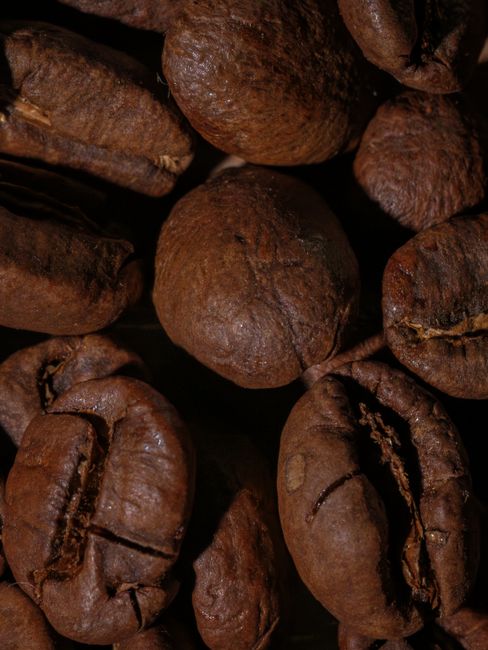
No discussion about European coffee culture is complete without acknowledging its roots in Italy. The espresso, the foundation of countless coffee drinks around the world, was born here. It's more than just strong coffee; it's a concentrated shot of flavor, extracted with precision under pressure. Think of it as the caffeinated equivalent of a power ballad – short, impactful, and unforgettable.
I remember my first truly authentic Italian espresso. I was in Rome, rushed and slightly overwhelmed by the city, when I ducked into a tiny bar. The barista, with a mere flick of the wrist, produced a perfect shot, crowned with a creamy, reddish-brown crema. It was gone in three sips, leaving behind a pleasant buzz and a newfound appreciation for the art of espresso.
But it's not just about the espresso itself; it's about the ritual surrounding it. Here's what I've observed and learned:
- Standing is acceptable (and often encouraged): You'll often see Italians downing their espresso at the bar, standing shoulder-to-shoulder with others. It's a quick, efficient transaction.
- Milk after breakfast? A faux pas! Cappuccino, latte macchiato – these are generally morning drinks. Ordering one after lunch might earn you a raised eyebrow (though, to be honest, nobody will likely say anything directly).
- Sugar is optional, but respect the coffee: While adding sugar is perfectly acceptable, Italians generally appreciate the pure, unadulterated flavor of a well-made espresso. Try it without sugar first!
- Coffee is ridiculously affordable: Compared to other European countries, espresso in Italy is incredibly cheap. A euro or two is the norm.
The Italian coffee culture is all about speed, efficiency, and a deep respect for the quality of the brew. It's a far cry from lingering over a large latte in a comfy armchair – it's a quick, caffeinated jolt to power you through the day.
French Café Culture: A Social Hub, A Place to Linger

From the intensity of Italian espresso, let's move to the more relaxed and social atmosphere of French cafés. Café culture in France is deeply ingrained in the fabric of daily life. It's not just about the coffee; it's about the experience, the ambiance, and the opportunity to people-watch for hours on end.
My favorite memories of Paris involve sitting at a sidewalk café, sipping a café au lait (coffee with milk), and watching the world go by. It's a slow, deliberate process – a far cry from the rushed espresso experience in Italy. The waiters rarely rush you, and you can happily linger for hours, reading a book, chatting with friends, or simply soaking up the Parisian atmosphere.
Here are a few things that stand out about French café culture:
- Coffee is often served in a bowl: A café au lait is traditionally served in a large bowl, perfect for dunking croissants or enjoying a leisurely morning.
- People-watching is a national pastime: French cafés are prime locations for observing the comings and goings of daily life. It's an art form in itself!
- Outdoor seating is highly prized: Even in cooler weather, the outdoor tables are usually the first to fill up. Blankets and heaters often make the experience comfortable even on chilly days.
- The menu is more than just coffee: French cafés typically offer a range of food options, from pastries and sandwiches to full meals.
French café culture is about slowing down, savoring the moment, and connecting with your surroundings. It's a celebration of life's simple pleasures, enjoyed in a relaxed and convivial atmosphere.
The Austrian Coffee House Tradition: A Home Away From Home

Moving eastward, we arrive in Austria, home to the legendary Viennese coffee house tradition. These are not just places to grab a quick cup of coffee; they are cultural institutions, havens for intellectual discussion, and a refuge from the outside world.
Stepping into a Viennese coffee house is like stepping back in time. You're greeted by plush velvet seating, marble tables, and the aroma of freshly brewed coffee and pastries. The waiters, dressed in traditional attire, are attentive and professional. The atmosphere is one of quiet elegance and understated sophistication.
My first experience in a Viennese coffee house was unforgettable. I ordered a Melange (similar to a cappuccino but with a slightly milder flavor) and a slice of Sachertorte (a rich chocolate cake). I spent the afternoon reading a book, people-watching, and simply enjoying the ambiance. It was a truly immersive experience.
Here's what makes the Viennese coffee house tradition so special:
- It's a cultural institution: Viennese coffee houses have played a significant role in the city's intellectual and artistic life for centuries.
- The coffee menu is extensive: You'll find a bewildering array of coffee drinks, each with its own unique name and preparation method.
- Newspapers are readily available: Many coffee houses provide a selection of newspapers and magazines for patrons to read.
- Pastries are a must: No visit to a Viennese coffee house is complete without indulging in a slice of cake or pastry.
The Viennese coffee house is more than just a place to drink coffee; it's a cultural experience, a place to relax, reflect, and connect with the city's rich history and traditions. It's truly a home away from home.
Spanish Coffee Culture: A Quick Pick-Me-Up and Sweet Treats

In Spain, coffee is often enjoyed as a quick and potent boost, often accompanied by something sweet. While the café culture isn't as pervasive as in France, the Spanish have their own unique way of enjoying their daily caffeine fix. Think bustling bars serving strong coffee and delicious pastries.
My trips to Spain always involve a daily café con leche (coffee with milk) and a churro or two. The coffee is strong and flavorful, and the churros, dipped in rich chocolate sauce, provide the perfect sweet counterpoint. It's a simple but satisfying combination.
Here's what I've noticed about Spanish coffee culture:
- Coffee is often served in small cups: The emphasis is on a concentrated dose of caffeine.
- Café con leche is a popular choice: This is a simple but satisfying combination of coffee and milk.
- Churros are the perfect accompaniment: These fried dough pastries, dipped in chocolate, are a classic Spanish treat.
- Coffee is often enjoyed at the bar: Similar to Italy, many Spaniards drink their coffee standing at the bar.
Spanish coffee culture is all about efficiency and simplicity. It's a quick and delicious way to fuel your day and enjoy a taste of Spanish culture.
The Nordic Approach: Filter Coffee and Hygge
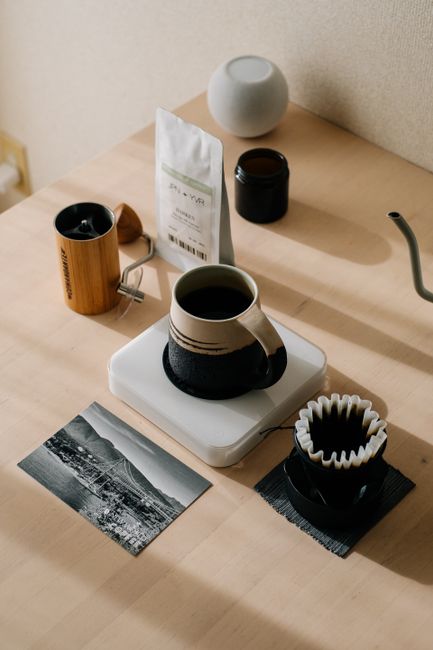
Moving north, we encounter a different approach to coffee in the Nordic countries. Here, filter coffee reigns supreme, often brewed in large batches and enjoyed throughout the day. It's a less intense experience than espresso, but it's deeply ingrained in the Nordic lifestyle.
In countries like Sweden and Norway, coffee is more than just a drink; it's a social ritual, often enjoyed during fika (a Swedish term for a coffee break) with friends and colleagues. Fika is a time to relax, chat, and enjoy a pastry or two.
My experiences with Nordic coffee culture have always been warm and welcoming. The focus is on creating a comfortable and convivial atmosphere, where people can connect and enjoy each other's company. It embodies the concept of hygge, the Danish word for coziness and contentment.
Here's what stands out about Nordic coffee culture:
- Filter coffee is the standard: Espresso-based drinks are less common than in other European countries.
- Fika is a daily ritual: This is a time to take a break, enjoy coffee and pastries, and socialize.
- Coffee is often brewed in large batches: It's meant to be enjoyed throughout the day.
- The focus is on quality and sustainability: Many Nordic coffee shops prioritize ethically sourced and sustainably produced coffee.
Nordic coffee culture is all about simplicity, quality, and social connection. It's a reminder to slow down, appreciate the simple things in life, and enjoy the company of others.
Beyond the Classics: Exploring Regional Variations
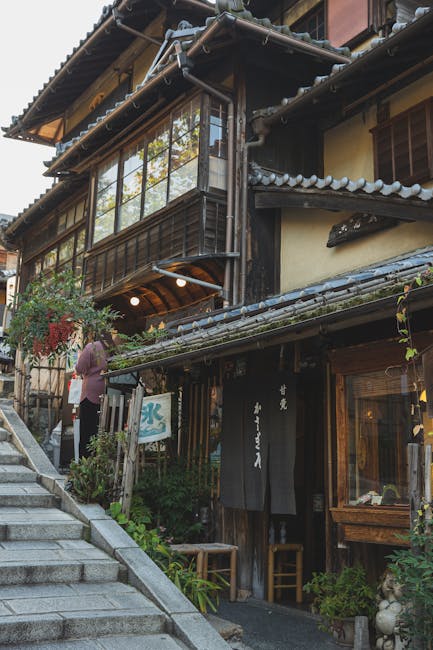
Of course, European coffee culture is far more diverse than just these examples. Each country, and even each region, has its own unique coffee traditions and preferences. Here are just a few examples:
- Portugal: Known for its bica, a strong espresso similar to the Italian version.
- Greece: Famous for its frappé, a frothy iced coffee drink perfect for hot summer days.
- Turkey: While not technically in Europe, Turkish coffee is a strong influence and is prepared using a unique method, unfiltered and served with the grounds settling at the bottom.
Exploring these regional variations is part of the fun of discovering European coffee culture. It's a reminder that coffee is a global beverage, enjoyed in countless different ways around the world.
The Future of European Coffee Culture
European coffee culture is constantly evolving. While traditional methods and rituals remain important, there's also a growing interest in specialty coffee, pour-over techniques, and sustainable practices. Younger generations are driving this trend, seeking out unique and high-quality coffee experiences.
I believe that the future of European coffee culture will be a blend of tradition and innovation. We'll continue to see the preservation of classic coffee rituals, alongside the emergence of new and exciting coffee trends. It's a dynamic and ever-evolving landscape, and I'm excited to see what the future holds.
So, there you have it – a whirlwind tour of European coffee culture! I hope this has inspired you to explore the diverse and delicious world of European coffee. Whether you prefer a quick espresso, a leisurely café au lait, or a comforting cup of filter coffee, there's a coffee experience waiting for you in Europe. Cheers (or should I say, salute, santé, or skål?) to the wonderful world of European coffee!
Post a Comment