European Fashion: A Journey From Haute Couture Dreams to Everyday Street Style
European Fashion: A Journey From Haute Couture Dreams to Everyday Street Style
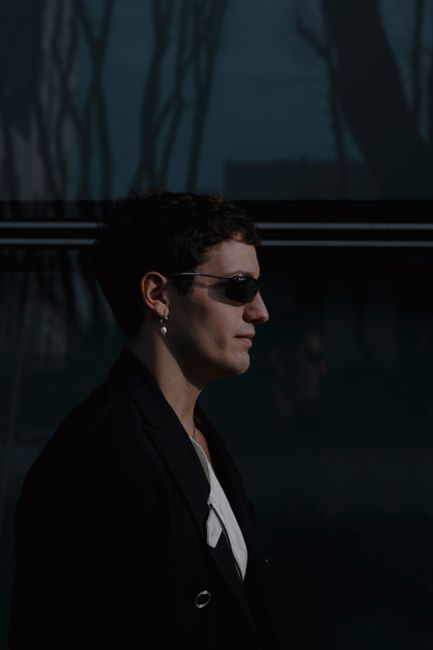
Hey friend! Ever wondered what makes European fashion so captivating? It's a blend of historical elegance, artistic innovation, and everyday practicality – a fascinating dance between the runway's dazzling haute couture and the effortlessly cool vibes of street style. Let's embark on a journey to explore this diverse and influential world, sharing some insights and maybe even inspiring your next wardrobe update!
Haute Couture: The Pinnacle of European Fashion

Think of haute couture as the very soul of European fashion. It's more than just clothes; it's art, craftsmanship, and a celebration of human creativity. The term "haute couture" is legally protected in France, meaning only fashion houses that meet specific criteria can use it. These criteria include:
- Designing made-to-order clothes for private clients, with one or more fittings.
- Having a workshop (atelier) in Paris that employs at least fifteen full-time staff.
- Presenting a collection of at least fifty original designs to the public, twice a year.
Brands like Chanel, Dior, and Valentino, while now global, have deep roots in European haute couture. They represent generations of skilled artisans and designers pushing boundaries. What makes haute couture so special? It's the attention to detail, the luxurious materials, and the sheer amount of time invested in each piece. These garments aren't just sewn; they're constructed with meticulous precision, often incorporating intricate embroidery, hand-beading, and custom-dyed fabrics. It's a real investment that translates into a timeless piece. I remember seeing a Dior haute couture gown up close once – the craftsmanship was simply breathtaking!
The Rise of Ready-to-Wear (Prêt-à-Porter)

While haute couture remains the ultimate expression of luxury, ready-to-wear, or prêt-à-porter, revolutionized the fashion industry. This shift made designer clothing accessible to a wider audience. Instead of custom-made pieces, designers began creating collections in standard sizes, produced in larger quantities. This democratized fashion and allowed people to incorporate designer elements into their everyday style.
European fashion houses quickly adapted to this trend. Brands like Yves Saint Laurent, with his iconic Le Smoking suit, and Giorgio Armani, known for his relaxed tailoring, played a crucial role in shaping the ready-to-wear market. They created collections that were both stylish and wearable, reflecting the changing lifestyles of the modern consumer. I personally love the way ready-to-wear allows me to incorporate a touch of designer flair without breaking the bank!
European Street Style: Fashion on the Move

Okay, let's talk street style! This is where European fashion gets truly exciting because it's a raw and unfiltered reflection of personal expression. It's about how everyday people interpret trends, mix and match styles, and create their own unique looks. Each European city has its distinct street style vibe.
Paris: Effortless Chic
Parisian street style is often characterized by its effortless chic. Think classic trench coats, well-fitting jeans, simple tees, and comfortable sneakers or ankle boots. It's about looking polished without appearing overly fussy. Parisians master the art of minimalism, focusing on quality pieces and timeless silhouettes. They are experts at investing in staples and accessorizing to elevate simple outfits.
Milan: Bold and Glamorous
Milanese street style is bolder and more glamorous than Parisian. Expect to see lots of vibrant colors, statement prints, and high-end accessories. Italians are known for their love of luxury brands, and they're not afraid to show it. Milan Fashion Week is a prime example of this, with attendees showcasing their most daring and stylish outfits. I admire their confidence and how they embrace bold fashion choices!
London: Edgy and Eclectic
London street style is all about individuality and self-expression. It's edgy, eclectic, and often incorporates vintage finds, punk-inspired elements, and avant-garde designs. Londoners aren't afraid to experiment with different styles and push boundaries. You'll find everything from tailored suits paired with Dr. Martens to flowy dresses accessorized with statement jewelry. The mix-and-match aesthetic is what makes London's fashion scene so captivating.
Copenhagen: Scandinavian Simplicity with a Twist
Copenhagen's street style is a masterclass in Scandinavian simplicity, focusing on clean lines, neutral colors, and sustainable materials. However, it's not without its playful elements. Expect to see pops of color, unique textures, and quirky accessories that add a touch of personality to minimalist outfits. Comfort and functionality are key, as Copenhageners often prioritize practicality over fleeting trends. I find their approach so refreshing and inspiring.
Key Influences on European Fashion

European fashion is influenced by a rich tapestry of factors, including:
- History: The history of Europe has played a huge role in its fashion. The Renaissance, the Victorian era, and the Roaring Twenties all had distinct styles that are still seen in fashion today. Think of the influence of Marie Antoinette on extravagant silhouettes, or the impact of Art Deco on sleek, geometric designs.
- Art and Culture: Art movements like Surrealism, Cubism, and Pop Art have inspired countless designers. Fashion designers have long drawn inspiration from painters, sculptors, and other artists. Think of Yves Saint Laurent's Mondrian dress or Elsa Schiaparelli's collaborations with Salvador Dalí.
- Social and Political Movements: Social and political movements have often been reflected in fashion. The feminist movement, for instance, led to more comfortable and practical clothing for women. Similarly, the punk movement challenged conventional fashion norms with its rebellious and anti-establishment aesthetic.
- Technological Advancements: Technological advancements have also shaped the fashion industry. The invention of the sewing machine, for example, revolutionized garment production, making clothing more accessible and affordable. Today, innovations in textile technology are leading to more sustainable and high-performance fabrics.
Sustainable Fashion in Europe

Speaking of sustainability, it's a huge buzzword in the European fashion scene right now, and rightfully so! Consumers are increasingly aware of the environmental and social impact of their clothing choices, and brands are responding. Many European designers are prioritizing sustainable materials, ethical production practices, and circular economy models.
Here are some examples:
- Using organic cotton, recycled polyester, and other eco-friendly fabrics.
- Reducing waste in the production process through techniques like zero-waste design.
- Ensuring fair labor practices in factories.
- Offering clothing rental and repair services to extend the life cycle of garments.
- Promoting transparency in the supply chain.
Brands like Stella McCartney, known for her commitment to cruelty-free and sustainable fashion, and brands utilizing innovative fabrics made from recycled ocean plastic are leading the way. It's inspiring to see designers prioritizing sustainability without compromising on style.
The Future of European Fashion

So, what does the future hold for European fashion? I think we can expect to see even more emphasis on sustainability, inclusivity, and technology. Here are a few trends I'm keeping an eye on:
- Increased use of technology: From 3D-printed clothing to virtual fashion shows, technology is transforming the fashion industry. We're already seeing AI being used to personalize shopping experiences and predict fashion trends. I think the possibilities are endless!
- Greater inclusivity and diversity: The fashion industry is becoming more inclusive, with a greater representation of different body types, ethnicities, and ages. This is a positive change that reflects the diversity of the real world.
- The rise of circular fashion: The circular economy model, which focuses on reducing waste and extending the life cycle of products, is gaining traction. We're seeing more brands offering clothing rental, resale, and repair services.
- Personalized and customized fashion: Consumers are increasingly looking for personalized and customized products. Brands are responding by offering made-to-order clothing, custom-designed sneakers, and other personalized items.
Bringing European Style Into Your Wardrobe
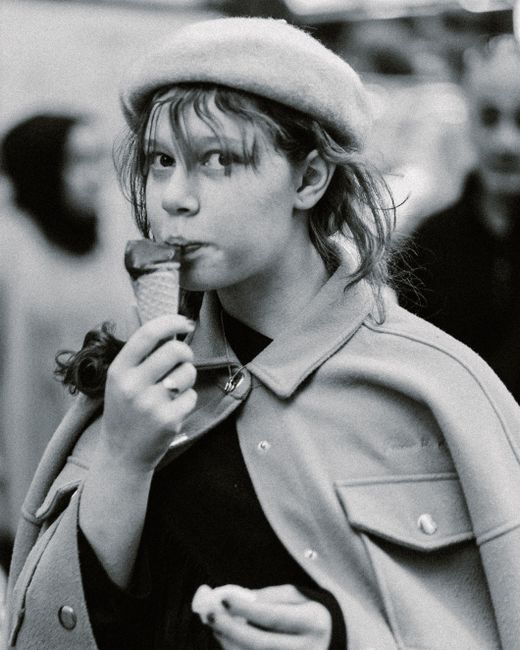
You don't have to live in Europe or spend a fortune to incorporate European style into your wardrobe. Here are a few tips that I've learned along the way:
- Invest in quality basics: Start with a foundation of well-fitting basics like a classic trench coat, a pair of straight-leg jeans, a white button-down shirt, and a little black dress.
- Accessorize wisely: Accessories can instantly elevate your look. Invest in a few high-quality scarves, handbags, and jewelry pieces that you love.
- Embrace minimalism: Less is often more. Focus on creating a capsule wardrobe with versatile pieces that can be mixed and matched.
- Experiment with trends: Don't be afraid to try new trends, but always stay true to your own personal style.
- Shop vintage and secondhand: Vintage and secondhand shops are a great place to find unique and affordable pieces that will add character to your wardrobe.
- Pay attention to fit: Even the most expensive clothes will look bad if they don't fit properly. Invest in tailoring to ensure that your clothes fit you perfectly.
- Find inspiration: Follow European fashion influencers and browse street style blogs to get inspiration for your own outfits.
Ultimately, European fashion is about more than just clothes. It's about self-expression, creativity, and confidence. It's about finding what makes you feel good and embracing your own unique style. So, go ahead and experiment, have fun, and create a wardrobe that reflects your personality! I hope this little journey through European fashion has inspired you. Until next time, happy styling!
Post a Comment