Exploring European Art: A Journey Through Renaissance, Baroque, and Modern Masterpieces
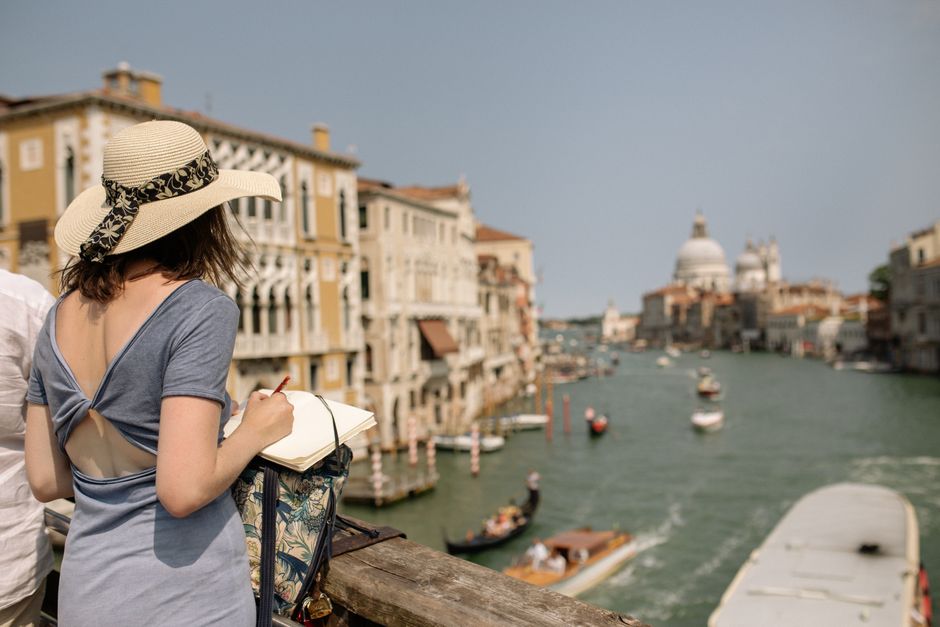
Exploring European Art: A Journey Through Renaissance, Baroque, and Modern Masterpieces
Hey there, art lover! Ever felt that tug, that irresistible pull to explore the rich tapestry of European art? I have! And let me tell you, it's been an adventure filled with breathtaking beauty, historical intrigue, and moments of profound connection. I want to share some of my experiences and insights with you, taking a look at some iconic works from the Renaissance right through to modern movements. So, grab a cup of coffee (or a glass of wine, depending on your mood!), and let's dive in.
Renaissance Revelations: Beauty, Humanism, and Innovation

For me, the Renaissance is where the real magic begins. Imagine a world emerging from the Middle Ages, shedding its old skin and embracing a renewed interest in classical learning, human potential, and artistic experimentation. It's a period bursting with vibrant colors, intricate detail, and a profound appreciation for the human form.
Think about Florence in the 15th century – a hotbed of artistic activity. Michelangelo's David, for instance. Standing before that colossal marble sculpture in the Accademia Gallery is simply awe-inspiring. The sheer mastery of anatomy, the perfect balance of strength and vulnerability… it's a testament to the human spirit. And it makes you think, doesn't it? What was it like to be the artist, or to be one of the people that admired it?
Then there's Leonardo da Vinci, the ultimate Renaissance man. His Mona Lisa, arguably the most famous painting in the world, is a perfect example of sfumato, that subtle blurring of lines that creates an ethereal, almost dreamlike quality. I remember staring at it for ages in the Louvre, captivated by her enigmatic smile. Is she amused? Sad? Deep in thought? The mystery is part of what makes it so compelling. It's amazing to consider that he was also a scientist and an inventor.
Raphael's frescoes in the Vatican, particularly The School of Athens, are another must-see. The composition is brilliant, bringing together some of the greatest minds of ancient Greece in a harmonious and intellectually stimulating scene. The scale of the work is impressive, but the small details such as the faces of the philosophers can give you a sense of the personal nature of art.
What made the Renaissance so unique? Several factors, really:
- Humanism: A focus on human values and achievements, rather than solely on religious doctrine.
- Rediscovery of Classical Art: Artists looked back to the art of ancient Greece and Rome for inspiration.
- Patronage: Wealthy families like the Medici in Florence provided financial support to artists, allowing them to create masterpieces.
- Innovative Techniques: The development of oil painting allowed for greater detail and realism. Perspective helped create the illusion of depth.
Baroque Bravado: Drama, Emotion, and Grandeur
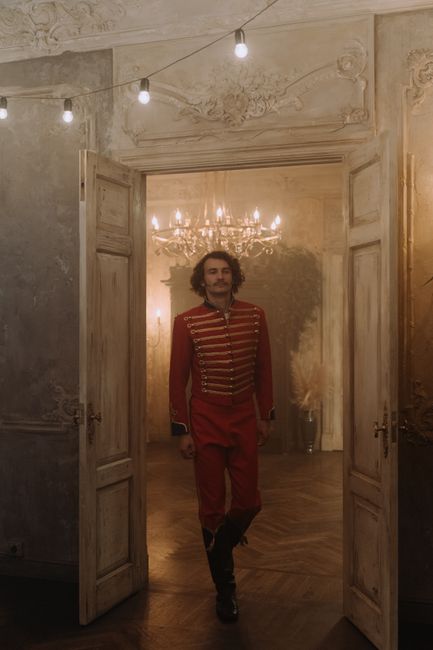
Moving on from the Renaissance, we enter the Baroque period, a time of intense emotion, dramatic lighting, and opulent grandeur. Think soaring ceilings, swirling figures, and a sense of theatricality that's hard to resist. It's definitely not subtle!
Caravaggio is a prime example of Baroque genius. His use of chiaroscuro – the dramatic contrast between light and shadow – is incredibly powerful. Take The Conversion of Saint Paul, for example. The intense light illuminating Paul's face as he falls from his horse is almost blinding, creating a sense of divine intervention. His artwork is quite dark, but it conveys an emotional intensity that is difficult to replicate.
Another Baroque master is Gian Lorenzo Bernini, a sculptor and architect whose work defines the style. His Ecstasy of Saint Teresa in the Cornaro Chapel in Rome is a truly unforgettable experience. The way he captures the saint's spiritual rapture in marble is breathtaking. The play of light and shadow, the flowing drapery, the sheer drama of the scene… it's a masterclass in Baroque excess. It's a scene that you will never forget.
In painting, Rembrandt van Rijn, though not strictly Italian, embodies the Baroque spirit in his portraits and historical scenes. His use of light and shadow to convey emotion and psychological depth is unparalleled. The Night Watch, despite its name, is a vibrant and dynamic depiction of a militia company, filled with individual characters and a sense of movement. His use of light and shadow is particularly memorable.
The Baroque period aimed to evoke emotions and awe in the viewer through:
- Dramatic Lighting: The use of strong contrasts between light and shadow to create drama and focus.
- Exaggerated Motion: Figures are often depicted in dynamic poses, conveying a sense of movement and energy.
- Opulent Decoration: Rich colors, elaborate ornamentation, and a sense of grandeur are characteristic of the Baroque style.
- Religious Fervor: Many Baroque works were commissioned by the Catholic Church to promote its message.
Modern Movements: Rebellion, Innovation, and Abstraction

Now, let's leap forward to the modern era, a period of radical experimentation, artistic rebellion, and a questioning of traditional values. This is where things get really interesting, and often, a little challenging! It's a time when artists began to break free from representational art and explore new ways of expressing themselves.
Impressionism, with artists like Claude Monet, Edgar Degas, and Pierre-Auguste Renoir, started it all. They were interested in capturing fleeting moments of light and color, often painting outdoors (en plein air) to capture the immediate effects of the natural world. Monet's Impression, Sunrise, a hazy depiction of the port of Le Havre, is considered the quintessential Impressionist work. The light and shadow create a sense of realism and beauty.
Post-Impressionism took things a step further. Artists like Vincent van Gogh, Paul Cézanne, and Paul Gauguin used color and form in expressive ways, pushing beyond the purely optical observation of the Impressionists. Van Gogh's Starry Night, with its swirling brushstrokes and vibrant colors, is a deeply personal and emotional response to the night sky. It's a classic, and one of his most well-known works.
Then came Cubism, pioneered by Pablo Picasso and Georges Braque. They broke down objects into geometric forms and represented them from multiple viewpoints simultaneously. It's a radical departure from traditional perspective, and it changed the course of art history. Picasso's Les Demoiselles d'Avignon is a groundbreaking example of Cubism, depicting five nude women with fragmented forms and distorted features. It's not to everyone's taste, but I personally like its boldness.
Surrealism, with artists like Salvador Dalí and René Magritte, delved into the realm of dreams and the subconscious. Dalí's The Persistence of Memory, with its melting clocks, is an iconic image of Surrealism, exploring themes of time, decay, and the fluidity of reality. It's memorable and surreal.
And let's not forget Abstract Expressionism, an American movement that emerged after World War II, with artists like Jackson Pollock and Mark Rothko. Pollock's drip paintings, created by flinging paint onto canvas, are a spontaneous and energetic expression of the artist's inner state. Rothko's color field paintings, with their large, rectangular blocks of color, are meant to evoke a sense of emotion and contemplation. Some people might say it's "just paint," but I disagree. They're visually complex.
Modern art is characterized by:
- Experimentation: Artists pushed the boundaries of traditional techniques and materials.
- Abstraction: A move away from realistic representation towards non-objective forms.
- Subjectivity: Emphasis on the artist's personal expression and emotional response.
- Social Commentary: Art as a means of critiquing social and political issues.
Finding Your Own Connection

Exploring European art is a journey, not a destination. There's no right or wrong way to experience it. The most important thing is to find what resonates with you, what moves you, what makes you think. And don't be afraid to challenge your own preconceptions and tastes. Art should be enjoyed, not simply analyzed.
Here are a few tips to help you on your artistic adventure:
- Visit Museums and Galleries: Obviously! But try to go with an open mind and allow yourself to be surprised.
- Read About Art History: Understanding the historical context can deepen your appreciation.
- Talk to Other Art Lovers: Share your thoughts and feelings with friends, family, or online communities.
- Create Your Own Art: Even if you're not a "professional" artist, engaging in creative activities can help you understand the artistic process.
- Trust Your Gut: What do you feel when you look at a piece of art? That's often more important than what you think you should feel.
For me, exploring European art has been a transformative experience. It's opened my eyes to different cultures, historical periods, and ways of seeing the world. It's challenged my assumptions, broadened my perspectives, and enriched my life in countless ways. And I hope it does the same for you.
So, go out there and explore! Discover the masterpieces that speak to you. Let yourself be moved by the beauty, the emotion, and the sheer creativity of European art. You might just surprise yourself with what you find.
Post a Comment