The Enduring Influence: Religion's Tapestry in Shaping European Culture

The Enduring Influence: Religion's Tapestry in Shaping European Culture
Hey there! Ever wondered about the soul of Europe? Beyond the stunning architecture, the delicious food, and the diverse languages, lies a deep and intricate tapestry woven with the threads of religion. It's more than just churches and cathedrals; religion has profoundly shaped European culture, influencing everything from art and music to law and ethics. Let's dive in and explore this fascinating relationship together!
A Historical Foundation: Religion's Early Footprint

To truly understand the role of religion in European culture, we have to go way back, almost to the very beginning. Think ancient Greece and Rome. While they had their own pantheons of gods and goddesses, the arrival and spread of Christianity marked a turning point that forever changed the landscape of the continent. It wasn't an overnight thing, of course.
Christianity, initially facing persecution, gradually gained prominence, especially after Emperor Constantine's Edict of Milan in 313 AD. This edict granted religious tolerance, paving the way for Christianity's eventual adoption as the state religion of the Roman Empire under Emperor Theodosius I. This marked a monumental shift. Imagine the impact of a single belief system becoming so ingrained in the governing structure!
The Roman Catholic Church emerged as a powerful institution, wielding immense political and social influence. It was more than just a spiritual guide; it was a major player in shaping laws, education, and even international relations. Think of the Papal States, territories directly governed by the Pope. It was a time of great power, but also of significant challenges and controversies.
The Middle Ages: Faith as a Guiding Light

The Middle Ages are often referred to as the "Age of Faith," and for good reason. Religion permeated every aspect of life. Imagine a world where your understanding of the universe, your moral compass, and your social standing were all profoundly influenced by the Church.
Here's how religion shaped the medieval world:
- Education and Learning: Monasteries were the centers of learning, preserving ancient texts and developing new knowledge. Think of them as the libraries and universities of their time. They were crucial for transmitting knowledge across generations.
- Art and Architecture: The grand cathedrals of Europe are testaments to the power and influence of the Church. Gothic architecture, with its soaring arches and stained-glass windows, was designed to inspire awe and reverence. The art of the period was overwhelmingly religious, depicting biblical scenes and the lives of saints.
- Social Structure: The Church played a significant role in maintaining social order. It provided charitable services, mediated disputes, and offered a sense of community. However, it also reinforced the existing social hierarchy, with the clergy holding considerable power and privilege.
But it wasn't all harmony and piety. The Crusades, a series of religious wars, were launched to reclaim the Holy Land from Muslim control. These events, while religiously motivated, also had significant political and economic consequences, shaping relations between Europe and the Middle East for centuries to come.
The Reformation: A Shattering of Unity

The 16th century witnessed a seismic shift in European religious landscape: the Reformation. Martin Luther's challenge to the authority of the Catholic Church sparked a religious revolution that divided Europe along confessional lines. It's a period that highlights the powerful impact that questioning and dissenting voices can have on established institutions.
Key events of the Reformation included:
- Luther's 95 Theses: Luther's criticisms of indulgences and other Church practices ignited the Protestant Reformation. His ideas spread rapidly thanks to the printing press, allowing people to read and interpret the Bible for themselves.
- The Rise of Protestantism: Various Protestant denominations emerged, including Lutheranism, Calvinism, and Anglicanism. Each offered different interpretations of Christian doctrine and different approaches to church governance.
- Religious Wars: The Reformation led to decades of religious wars, such as the Thirty Years' War (1618-1648), which devastated much of Europe. These conflicts underscored the deep divisions within European society and the willingness to fight for religious beliefs.
The Reformation had profound consequences, not only for religion but also for politics and society. It challenged the authority of the Catholic Church, led to the rise of nation-states, and fostered a spirit of individualism and religious tolerance (eventually, after much conflict!).
The Enlightenment and Secularization: Questioning Faith

The Enlightenment, an intellectual movement of the 18th century, emphasized reason, science, and individual liberty. It challenged traditional religious beliefs and promoted a more secular worldview. Thinkers like Voltaire, Rousseau, and Locke questioned the authority of the Church and advocated for religious tolerance and separation of church and state.
This period saw:
- The Rise of Science: Scientific discoveries, like those of Isaac Newton, challenged traditional religious explanations of the natural world. People began to rely more on reason and empirical evidence rather than faith.
- Deism and Atheism: Deism, the belief in a creator god who does not intervene in the world, became popular among intellectuals. Atheism, the disbelief in God, also gained some traction, though it remained a minority view.
- Secularization: The influence of religion in public life began to decline. Governments became more secular, and education systems were increasingly separated from religious institutions.
However, it's important to remember that even during the Enlightenment, religion continued to play a significant role in the lives of many Europeans. It's a nuanced picture, not a complete abandonment of faith, but rather a shift in its influence and relationship with other aspects of society.
The 19th and 20th Centuries: Adapting to Change
The 19th and 20th centuries brought further challenges to religion in Europe. The rise of industrialization, urbanization, and scientific progress led to new social and cultural changes. Think of the impact of mass migration, the World Wars, and the rise of communism. All of these events profoundly affected religious institutions and beliefs.
Key developments included:
- The Industrial Revolution: The Industrial Revolution led to significant social changes, including the growth of cities and the rise of a working class. This challenged traditional religious values and led to new forms of social activism, often with religious motivations.
- The World Wars: The two World Wars had a devastating impact on Europe, both physically and psychologically. Many people questioned the existence of God in the face of such suffering.
- Communism: The rise of communist regimes in Eastern Europe led to the suppression of religion. Churches were closed, and religious leaders were persecuted. However, religion often served as a source of resistance against communist rule.
Despite these challenges, religion continued to adapt and evolve. New religious movements emerged, and existing denominations sought to modernize and address the needs of contemporary society. The Catholic Church, for example, underwent significant reforms during the Second Vatican Council (1962-1965).
Religion in Contemporary Europe: A Diverse Landscape

Today, Europe is a diverse and multicultural continent with a wide range of religious beliefs and practices. While Christianity remains the dominant religion, other faiths, such as Islam, Judaism, Hinduism, and Buddhism, are also present. It's a vibrant, sometimes challenging, but ultimately enriching mix of beliefs and traditions.
Here's a snapshot of the current religious landscape:
- Declining Religious Affiliation: In many European countries, there has been a decline in religious affiliation and church attendance. More people identify as non-religious or agnostic.
- The Rise of Secularism: Secularism, the separation of church and state, is a widely accepted principle in Europe. Governments are generally neutral on religious matters and protect the rights of all citizens, regardless of their beliefs.
- Religious Diversity: The increasing diversity of European societies has led to new challenges and opportunities for religious communities. Interreligious dialogue and cooperation are becoming increasingly important.
However, religion continues to play a significant role in European society, shaping ethical values, cultural traditions, and political debates. Religious organizations are involved in social welfare, education, and advocacy. The debate over the role of religion in public life, particularly in relation to immigration and integration, remains a contentious issue in many European countries.
The Enduring Legacy: Religion's Cultural Footprints
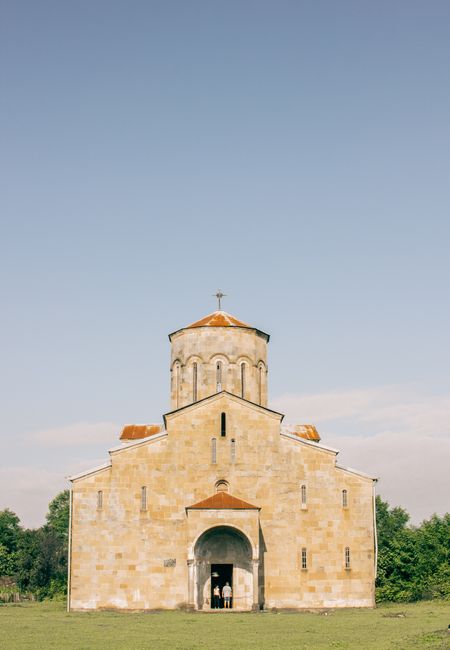
Even with declining religious affiliation in some areas, the cultural impact of religion on Europe remains undeniable. It's visible everywhere, from the grandest cathedrals to the smallest village churches, from the masterpieces of Renaissance art to the folk songs passed down through generations.
Here are just a few examples of religion's enduring cultural influence:
- Art and Music: European art and music are deeply influenced by religious themes. Think of the works of Michelangelo, Leonardo da Vinci, and Bach. Religious music, such as Gregorian chants and hymns, remains an integral part of European culture.
- Literature and Philosophy: Religious ideas have shaped European literature and philosophy for centuries. From Dante's "Divine Comedy" to the works of Augustine and Aquinas, religious themes have been central to European intellectual history.
- Holidays and Traditions: Many European holidays and traditions have religious origins. Christmas, Easter, and other religious festivals are celebrated throughout Europe, often with unique local customs.
- Ethical Values: Religious teachings have influenced European ethical values, such as compassion, justice, and forgiveness. These values continue to shape European society and political discourse.
So, next time you're wandering through a European city, take a moment to appreciate the layers of history and culture that surround you. Look beyond the surface and consider the profound influence of religion, which has shaped the very soul of Europe.
Looking Ahead: The Future of Religion in Europe

What does the future hold for religion in Europe? It's a question that's being debated by scholars, policymakers, and religious leaders alike. It's a complex interplay of tradition, modernity, and the ever-changing demographics of the continent.
Some possible trends include:
- Continued Secularization: The trend of declining religious affiliation may continue in some countries, particularly among younger generations.
- Increased Religious Diversity: As Europe becomes more multicultural, religious diversity is likely to increase. This will require new approaches to interreligious dialogue and integration.
- The Re-emergence of Religion: In some contexts, religion may experience a resurgence, particularly as a source of identity and community in a rapidly changing world.
- The Role of Religion in Politics: The debate over the role of religion in politics is likely to continue, particularly in relation to issues such as immigration, secularism, and human rights.
Ultimately, the future of religion in Europe will depend on the choices that Europeans make about their values, their identities, and their relationship with the past. It's a fascinating story that's still being written, and I, for one, am excited to see how it unfolds. It is a story intertwined with art, politics, history, and human values; a story that continues to shape the cultural landscape of Europe, and by extension, the world. What are your thoughts?
Post a Comment