Traditional European Music & Dance: A Cultural Journey Through Rhythms and Heritage

Traditional European Music & Dance: A Cultural Journey Through Rhythms and Heritage
Hey there, fellow culture enthusiast! Ever found yourself tapping your foot to a catchy tune or mesmerized by the graceful movements of dancers in a vibrant costume? I have! It's often when I stumble upon traditional European music and dance. It's like stepping into a living history book, each note and step telling a story that's been passed down through generations. Let's embark on a captivating journey through the rich tapestry of traditional European music and dance, exploring its diverse forms, historical roots, and enduring cultural significance. Think of this as a friendly chat, sharing some of my favorite discoveries and hopefully inspiring you to explore these treasures yourself.
The Soul of a Nation: Understanding Traditional Music

Traditional European music isn't just a collection of melodies; it's the soul of a nation expressed through sound. It reflects the landscape, the history, the joys, and the sorrows of a people. Unlike popular music, which often aims for mass appeal, traditional music is deeply rooted in local communities and their unique experiences. It's the music your great-grandparents probably danced to, the lullabies they sang to their children, and the celebratory tunes that marked important life events.
Think about it. Imagine the rugged beauty of the Scottish Highlands and how that translates into the soaring sounds of the bagpipes. Or picture the sun-drenched vineyards of Italy and the lively, passionate melodies of the mandolin. Each region has its own distinctive musical fingerprint, shaped by its environment and history.
What Defines "Traditional"?
Defining "traditional" can be tricky. Generally, it refers to music that has been passed down orally for several generations, often without written notation. It's constantly evolving, adapting to the changing times while still retaining its core essence. Some key characteristics of traditional European music include:
- Oral Tradition: Primarily learned and transmitted through listening and imitation, rather than written scores.
- Community-Based: Often performed during festivals, celebrations, and social gatherings, fostering a sense of community.
- Simple Instrumentation: Typically utilizes instruments that are readily available and easily transportable, reflecting the resources of the region.
- Repetitive Structures: Frequently features repetitive melodic and rhythmic patterns, making it easier to learn and remember.
- Adaptability: While rooted in history, it's constantly evolving, incorporating new influences and reflecting contemporary life.
A Rhythmic Tapestry: Exploring Diverse Dance Forms
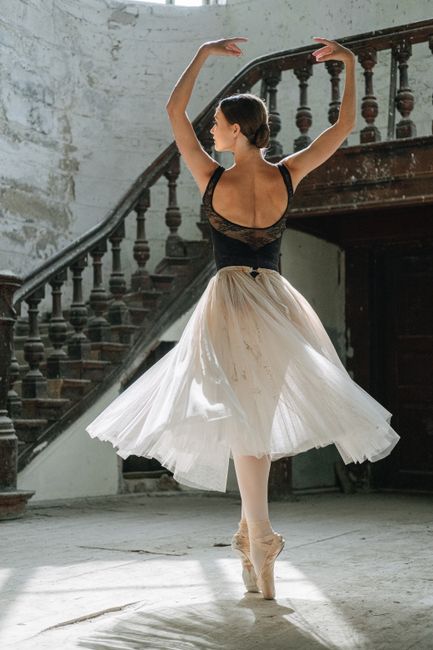
Just as music varies across Europe, so too do the dances. Each dance form is a visual representation of a community's history, customs, and values. From the energetic footwork of Irish stepdance to the graceful movements of ballet (yes, ballet has traditional roots!), European dance is incredibly diverse.
Why Dance Matters
Dance isn't just about fancy footwork; it's a powerful form of communication. It can tell stories, express emotions, and celebrate traditions. In many cultures, dance is an integral part of religious ceremonies, harvest festivals, and other important community events. It's a way to connect with the past, express the present, and celebrate the future.
Consider the Ukrainian Hopak. It's a high-energy dance, showcasing the strength and agility of the male dancers. Historically, it was performed by Cossack warriors to celebrate victories and display their prowess. The costumes, the music, and the movements all tell a story of bravery and national pride. Similarly, think about the Spanish Flamenco. It's not just about the intricate hand movements and passionate expressions, but a deep emotional outcry, a catharsis expressed through dance.
Spotlight on Regions and Their Rhythmic Heritage
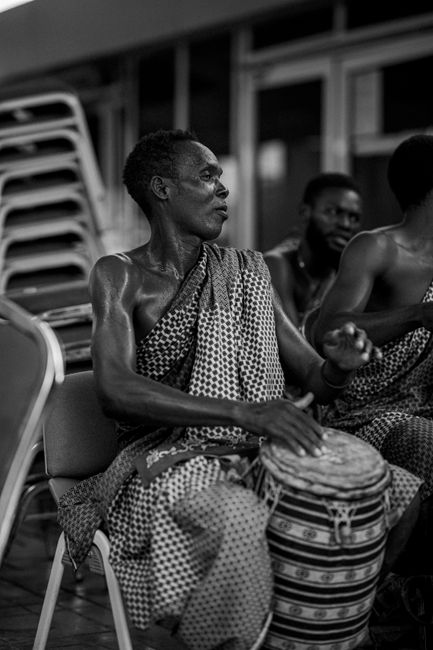
Let's delve into some specific regions and discover their unique musical and dance traditions:
- Ireland: Known for its lively jigs and reels, often accompanied by instruments like the fiddle, flute, and bodhrán (a type of drum). Irish stepdance, with its intricate footwork and rigid upper body, is instantly recognizable. Ceili dances, social dances involving groups of people, are a cornerstone of Irish social life.
- Scotland: The haunting sounds of the bagpipes are synonymous with Scotland. Scottish Highland dancing, characterized by its athleticism and precise movements, is a spectacle to behold. Think of the Highland Fling or the Sword Dance – powerful displays of skill and tradition.
- Spain: Flamenco, originating in Andalusia, is a passionate art form that combines singing, guitar playing, and dance. Each element is crucial, creating a powerful and emotional experience. The intricate hand movements (palmas), the rhythmic footwork (zapateado), and the soulful singing (cante) all contribute to the drama and intensity of Flamenco.
- Greece: Greek folk music is often accompanied by the bouzouki, a long-necked stringed instrument. Syrtos, a circle dance that starts slowly and gradually speeds up, is a common sight at Greek festivals and celebrations. It's a symbol of unity and community spirit.
- Italy: Italian folk music varies greatly from region to region. The tarantella, a lively dance from Southern Italy, is believed to have originated as a cure for tarantism (a form of hysteria attributed to spider bites). The mandolin is a popular instrument, and many Italian folk songs are filled with romance and passion.
- Eastern Europe (Romania, Bulgaria, Hungary): This region boasts a rich and diverse musical heritage, often characterized by complex rhythms and intricate melodies. Traditional instruments like the cimbalom (a type of hammered dulcimer) and the gaida (a bagpipe-like instrument) are commonly used. Circle dances, often involving intricate footwork and synchronized movements, are a common feature of Eastern European folk traditions.
Instruments of Tradition: The Sounds of Europe
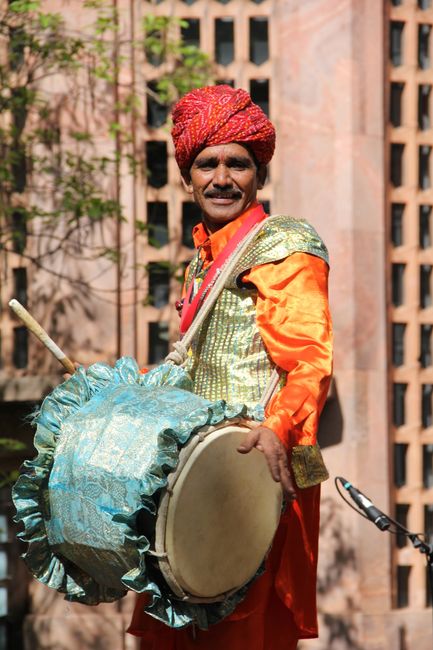
The instruments used in traditional European music are as diverse as the music itself. They often reflect the resources and craftsmanship of the region. Here are a few examples:
- Bagpipes: Found in various forms throughout Europe, particularly in Scotland, Ireland, and parts of Eastern Europe. The bag provides a continuous source of air, allowing the piper to play uninterrupted melodies.
- Fiddle: A violin played in a folk style. It's a staple instrument in Irish, Scottish, and Scandinavian folk music. The bowing techniques and ornamentation used in folk fiddle playing often differ significantly from classical violin playing.
- Accordion: A versatile instrument found in many European folk traditions, from Italy to France to Eastern Europe. Its portability and ability to play both melody and harmony make it ideal for accompanying dances and social gatherings.
- Mandolin: A small, plucked stringed instrument, commonly associated with Italian folk music. Its bright, cheerful sound adds a distinctive flavor to many Italian folk songs.
- Bouzouki: A long-necked stringed instrument, popular in Greek folk music. Its distinctive sound is often used to accompany dances and songs celebrating Greek culture and history.
- Bodhrán: An Irish frame drum, often used to provide a rhythmic backbone to Irish folk music. It's played with a tipper (a small stick), and the pitch can be adjusted by pressing on the drumhead.
- Cimbalom: A hammered dulcimer found in Eastern European countries like Hungary and Romania. Its bright, percussive sound adds a unique texture to Eastern European folk ensembles.
Costumes and Culture: Dressing the Part

Traditional costumes are an integral part of many European dance traditions. They're not just pretty clothes; they're visual symbols of identity, history, and social status. The fabrics, colors, and embellishments often carry specific meanings, reflecting the region's history, craftsmanship, and values. Think of the intricate embroidery on a Ukrainian vyshyvanka (embroidered shirt) or the elaborate headdresses worn by dancers in some Eastern European traditions. Each detail tells a story.
What Costumes Tell Us
Traditional costumes often reflect:
- Regional Identity: Specific colors, patterns, and fabrics are often associated with particular regions or villages.
- Social Status: The quality of the materials, the intricacy of the embroidery, and the presence of certain embellishments can indicate social status.
- Marital Status: In some cultures, specific elements of the costume indicate whether a person is married or single.
- Historical Events: The design of the costume may reflect historical events or figures.
- Religious Beliefs: Certain symbols or colors may be associated with religious beliefs or practices.
Preserving the Past: The Future of Traditional Music and Dance
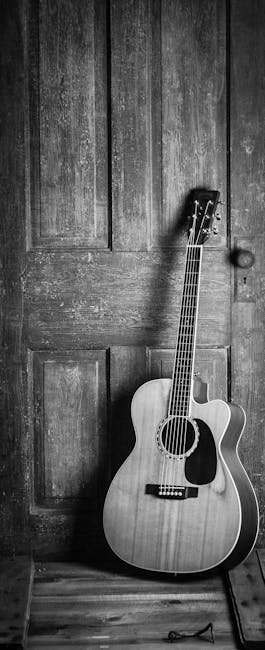
In today's fast-paced world, it's easy for traditional music and dance to be overshadowed by more contemporary forms of entertainment. However, there's a growing movement to preserve and promote these valuable cultural traditions. From dedicated musicians and dancers to cultural organizations and educational programs, people are working hard to ensure that these traditions continue to thrive for generations to come.
How Can We Help?
There are many ways we can all contribute to the preservation of traditional European music and dance:
- Attend Performances: Support local musicians and dancers by attending their performances.
- Take Lessons: Learn to play a traditional instrument or learn a traditional dance.
- Support Cultural Organizations: Donate to organizations that are working to preserve and promote traditional music and dance.
- Spread the Word: Share your love of traditional music and dance with others.
- Engage Online: Follow musicians, dancers, and organizations on social media. Share their content and participate in online discussions.
- Learn About the History: The more you know, the more you'll appreciate the music and dance.
A Personal Reflection: Why It Matters

For me, traditional European music and dance is more than just a hobby; it's a connection to my heritage, a source of inspiration, and a reminder of the importance of community. It reminds me that even in a world that's constantly changing, there are still things that endure – traditions that connect us to the past and to each other.
So, I hope this little journey has sparked your curiosity and maybe even inspired you to explore the world of traditional European music and dance. There's a whole universe of sounds, rhythms, and stories waiting to be discovered. Who knows, you might just find yourself tapping your foot to a new favorite tune or even trying out a few dance steps yourself!
Happy exploring!
Post a Comment